
Drainage Solutions in Waco, TX
Water is the root cause behind most foundation damage in Central Texas. We analyze the whole property, then build the fix that moves water away from your slab for good.
- Full-Property Water Analysis
- Three Drainage Systems
- Free Estimates
What are drainage solutions?
Drainage solutions are systems that collect rainwater and groundwater around a home and move it away before it can soak the clay under the foundation: french drains for water in the soil, sump pumps for low spots that can’t drain by gravity, and surface systems for water standing in the yard. Around Waco, ponding water at a slab edge is how most foundation problems start, so drainage is foundation protection first and a dry lawn second.
Why is water the enemy of a foundation?
Because the clay under Central Texas homes swells when it drinks. Water ponding at a slab edge feeds one side of the foundation while the other side stays dry, and that difference in moisture is exactly what makes expansive soil lift, drop, and crack a house.
The tell-tale signs that water is winning:
- Puddles that sit against the slab for days after rain
- A yard that squishes long after the sky cleared
- Gutters dumping straight onto the foundation line
- A crawl space that smells like a creek bed
Fix the water and you slow the whole disease. Ignore it, and even a good pier repair ends up defending against a problem that keeps reloading.
Which drainage system does your property need?
Three systems, three different kinds of water problem. Most properties need one; some need a pairing. The analysis decides, not the brochure.
French Drain Installation
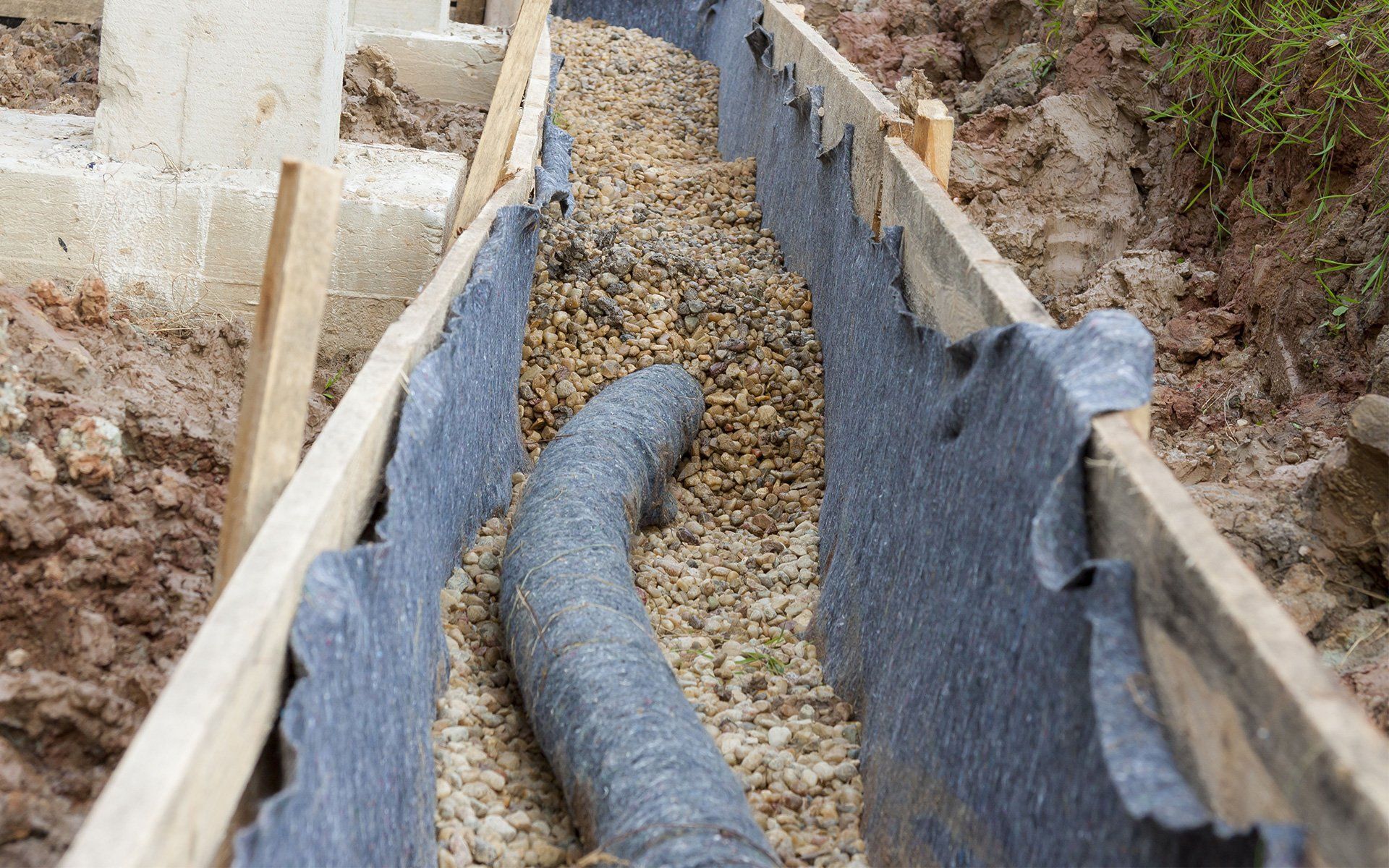
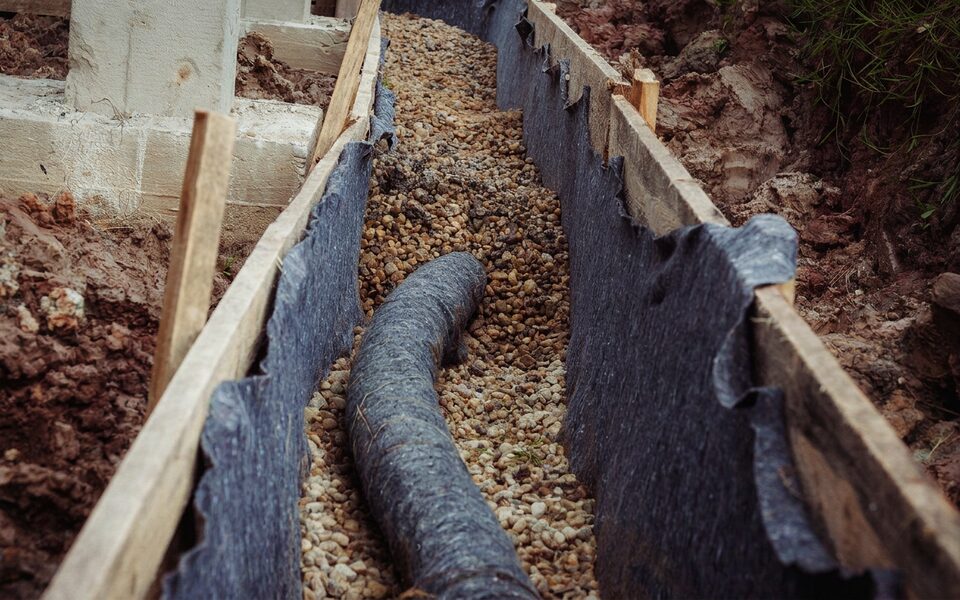
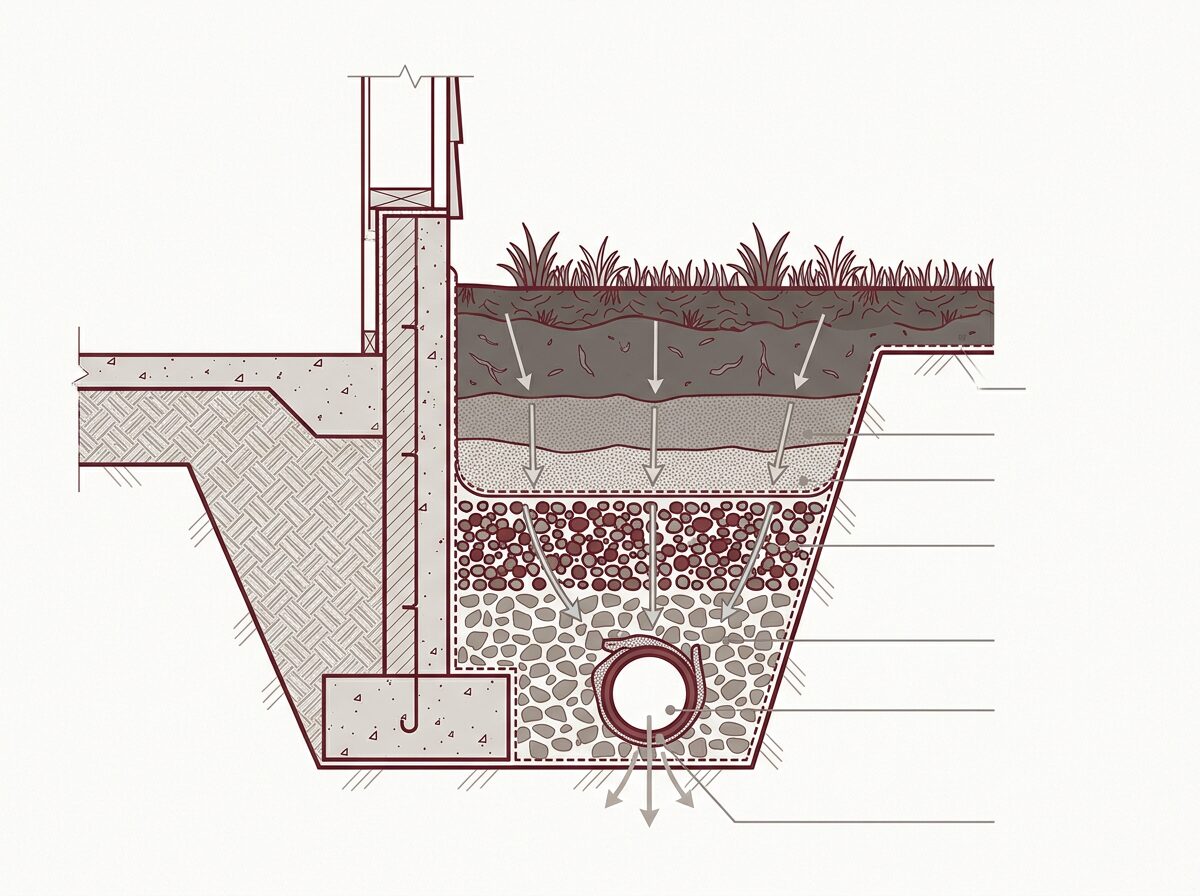
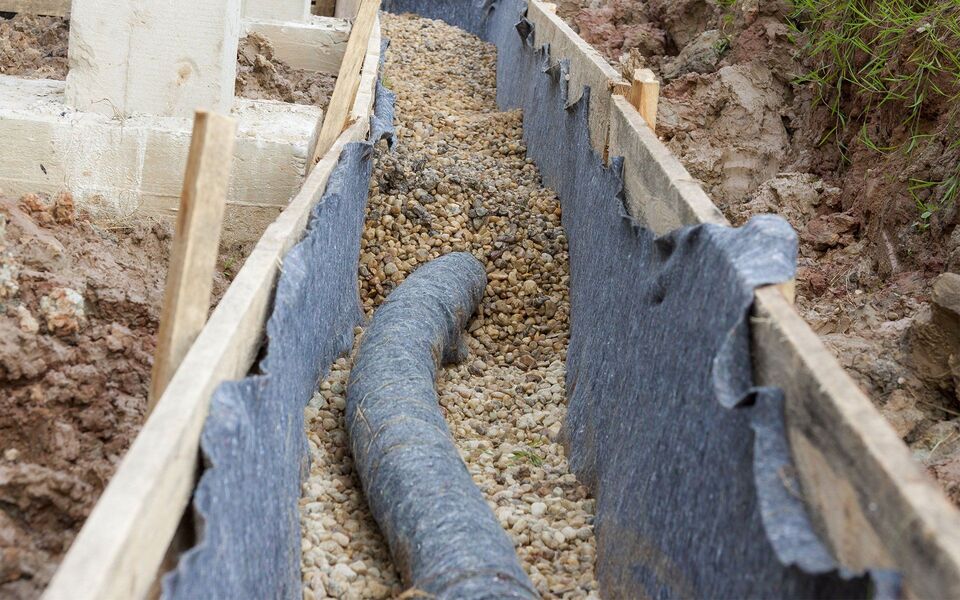
A gravel-bedded, fabric-wrapped perforated pipe that intercepts water moving through the soil and carries it away before it reaches the foundation.
Sump Pump Installation
Where gravity has nowhere to take the water, a basin collects it and a pump moves it out. The answer for low corners, window wells, and wet crawl spaces.
Yard Drainage
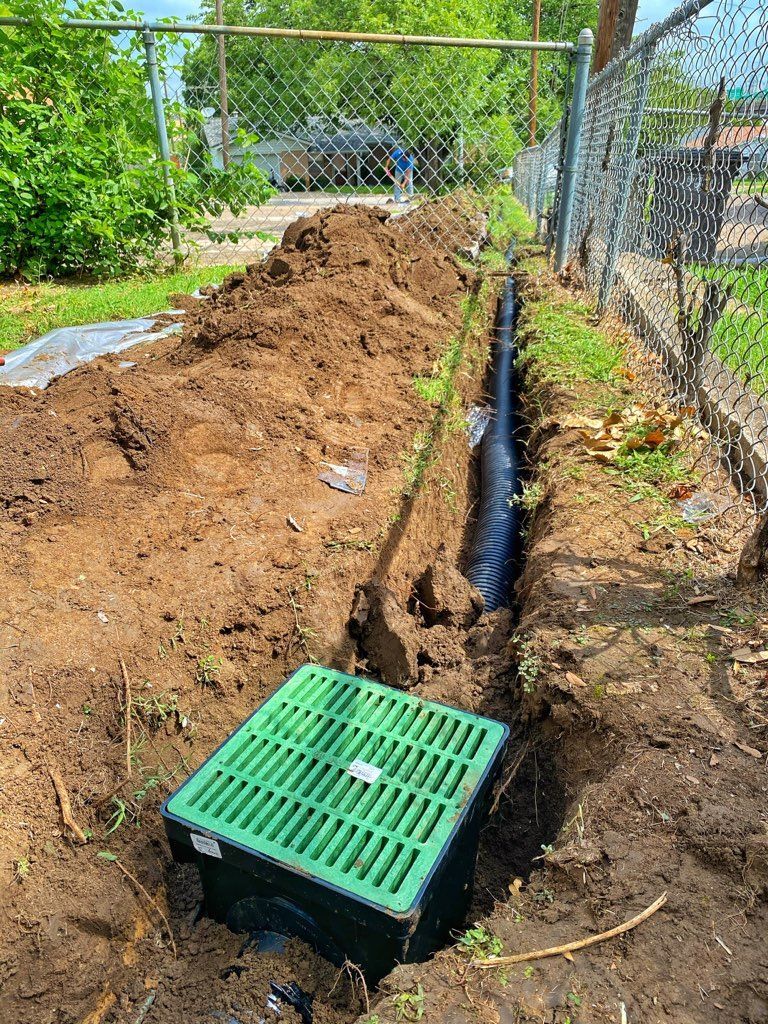
Grading, catch basins, channel drains, and downspout routing that get standing water off the lawn and away from the slab the day it falls.
| If you’re seeing… | The water is… | Start with |
|---|---|---|
| Soggy soil beside the slab days after rain | Moving through the ground | French drain |
| A low corner or crawl space that fills up | Trapped with no exit | Sump pump |
| Sheets of standing water on the lawn | Sitting on the surface | Yard drainage |
| Doors sticking after every wet season | Already at the foundation | Analysis first; possibly StableSoil too |
What does drainage correction cost in Waco?
Less than the foundation repair it prevents, which is the honest yardstick. A drainage plan is priced by the systems it needs and the feet of pipe, basin, and grading it takes to move your particular water to a safe exit.
The variables that set the number:
- The diagnosis. Surface water, groundwater, or both, confirmed by walking the property in the analysis.
- Run length and depth. Where the water starts and how far it must travel to daylight or a basin.
- Discharge path. Gravity exits cost less than pumped ones.
- Pairings. If the clay needs stabilizing too, one mobilization prices better than two.
The analysis and the written plan are free, and the plan will tell you plainly if a $200 gutter extension solves what someone else quoted as a $5,000 system.
Where is your water actually coming from?
Half of drainage failures are systems that worked perfectly against the wrong water. A french drain can’t fix a gutter dumping at the corner, and regrading won’t stop groundwater seeping under a footing.
Our analysis follows the water from the roofline down: gutters and downspouts, surface slopes, soil saturation, and where it all tries to exit the property. Then the plan matches system to source, and can be reviewed by the professional engineer on our staff.
Because we repair foundations for a living, we also read the slab while we’re there. If water has already moved it, you’ll hear that from us first, not from a crack in the spring.
Drainage or soil treatment: which protects the foundation more?
They attack the same enemy from two sides. Water management controls what arrives; StableSoil controls how the clay reacts to what gets through.
| Drainage correction | StableSoil treatment | Both together | |
|---|---|---|---|
| Controls | Where water goes | How the clay responds to moisture | The whole moisture cycle |
| Best when | Water visibly ponds or flows wrong | Clay swings even without ponding | Symptoms on both sides |
| Timeline | Days | Usually one day | One combined mobilization |
| Relative cost | $–$$ | $–$$ | $$, priced as one plan |
The prevention plan we like best pairs them: move the bulk water away, calm the clay against what remains. See soil stabilization for the other half of the story.
How does a drainage project run?
From water map to working system, usually inside a week from approval.
Walk the water
We trace every path water takes across your property, roof to property line, in the full analysis. Surface and groundwater both, because they need different answers.
Design the system
The written plan maps pipe runs, basins, and grades, names which of the three systems you actually need, and carries one firm price.
Install & slope
Trenches cut clean, pipe bedded and wrapped properly, grades checked with a level rather than a squint. Lawns get put back the way we found them.
Test with real water
We verify flow at the discharge before we leave, so the first storm is a confirmation, not an experiment.
What the free analysis includes: a full-property water walk, gutter and downspout review, soil saturation check, and a written plan naming the system, the route, and the firm price.

Drainage, from the people who fix what water breaks
Most drainage contractors have never lifted a foundation that water dropped. Ronnie Wiethorn’s crews do it weekly, which is why the drainage plans here are designed backward from the slab they protect.
- Water analysis informed by two decades of foundation repairs
- Plans reviewable by our in-house professional engineer
- All three systems installed by one local crew, one accountability
- Locally owned in Waco; we know what a Blackland Prairie storm does
What homeowners say when the water behaves
Where we correct drainage
Wherever rain meets clay: Waco, Temple, Killeen, Bryan, College Station, McGregor, and surrounding Central Texas. Bryan & College Station line: (254) 863-8800.
Drainage questions
How do I know if drainage is causing my foundation problem?
Look outside an hour after a hard rain. Water standing against the slab, gutters dumping at corners, or beds that hold water like a bowl are all feeding the clay under your foundation. We assess the whole property free of charge.
Which drainage fix does my house need?
It depends on where the water is. Groundwater moving through soil calls for a french drain. Surface water pooling on the lawn calls for yard drainage: grading, catch basins, or channel drains. A low spot that collects water with nowhere to send it calls for a sump pump. The free assessment tells you which, and often the answer is a combination.
Will a drain fix my foundation cracks?
Drainage stops the cause; it does not lift concrete that has already settled. If damage is done, we pair the drainage plan with the right repair, piers or concrete lifting, so you fix it once.
Does drainage work pair with soil stabilization?
They are the prevention plan. Drainage controls the water above the soil, StableSoil calms the clay below it, and together they attack the movement cycle from both ends.
How much does drainage correction cost in Waco?
It's priced by what your water actually needs: feet of pipe or trench, basins, grading, and where the discharge can exit. The analysis is free, and if a simple gutter extension solves what looked like a system problem, the plan will say exactly that.
How long does drainage installation take?
Most single-system projects finish in days: a french drain run, a sump basin, or a round of grading and downspout routing. Combined plans are sequenced into one mobilization so your yard is only opened once.
What is the difference between surface water and groundwater?
Surface water is rain you can see, pooling on lawns and hardscape; it calls for grading, basins, and channels. Groundwater moves invisibly through the soil and calls for a french drain. Most flooded yards have one, some have both, and the free analysis tells you which.
Do gutters and downspouts count as drainage?
They're the first line of it. A roof concentrates thousands of gallons per storm at a few downspouts, and where those dump decides whether the rest of the system has a fighting chance. Downspout routing is often the cheapest fix on the whole plan.