
Concrete Lifting & Leveling in Waco, TX
Sunken patios, tilted driveways, trip-hazard sidewalks, and settled pool decks, raised back to level in hours through ports the size of a bottle cap. Don’t tear it out. Lift it.
- Done in Under a Day
- Fraction of Replacement Cost
- Free Estimates
What is concrete lifting?
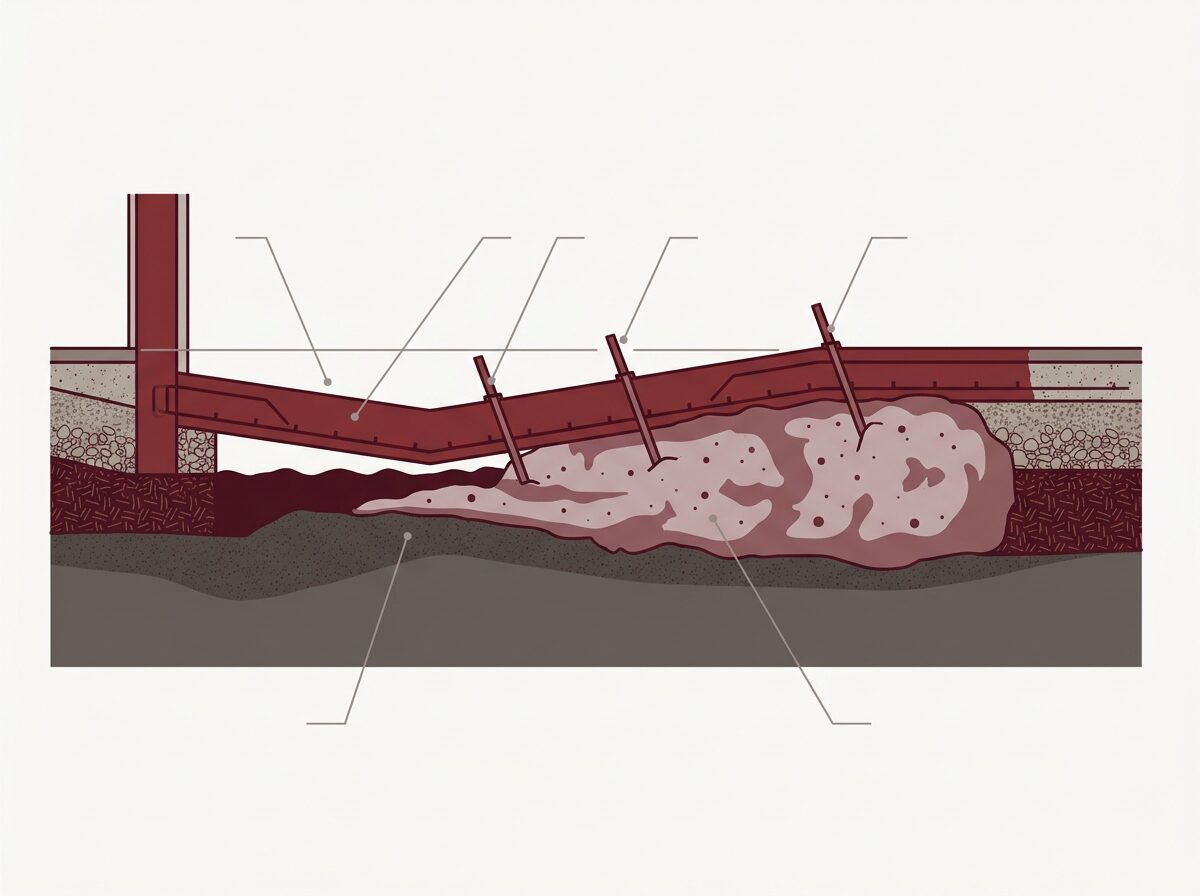
Concrete lifting raises sunken slabs, patios, driveways, sidewalks, and pool decks back to their original level by injecting expanding polyurethane foam through small drilled ports, filling the voids underneath and floating the concrete up in a controlled lift. The method fixes concrete that sank because soil washed out or compacted beneath it, keeps the slab you already paid for, and typically finishes in under a day at a fraction of the cost of tearing out and repouring.
Why does concrete sink in the first place?
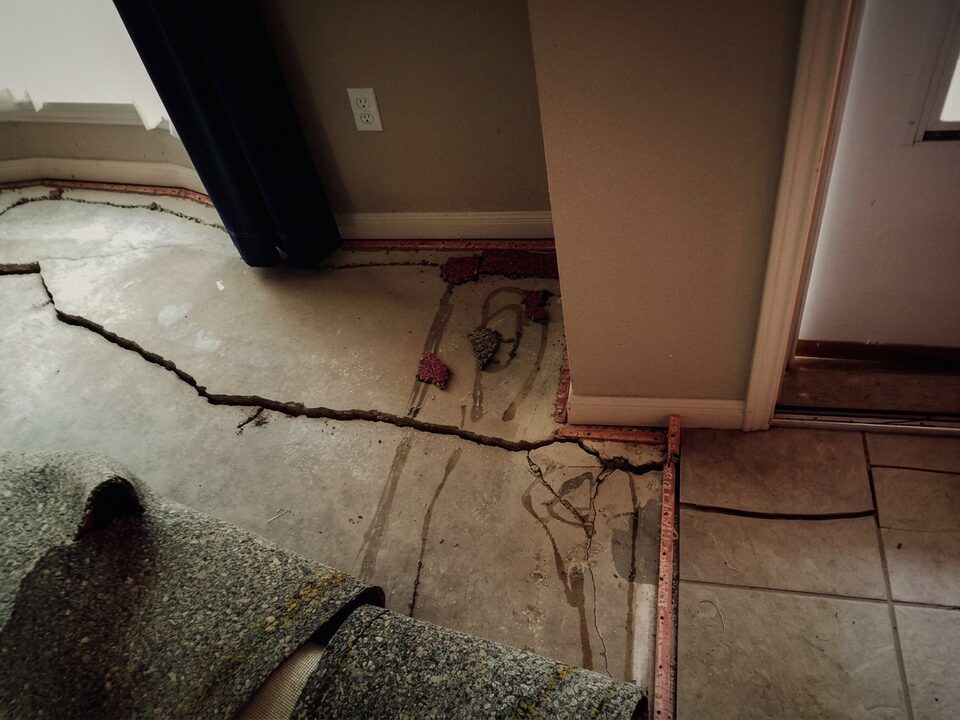
Concrete sinks when the ground beneath it stops holding it up: rainwater washes fines out from under the edge, poorly compacted fill settles, or Central Texas clay shrinks away in a drought summer and leaves the slab bridging a void.
Gravity finishes the job, one season at a time. The usual suspects around a Waco yard:
- A patio tilting back toward the house, sending water at the slab
- Driveway sections stepping down where they meet the street
- Sidewalk joints offset into ankle-catching ledges
- Pool decks pulling away from the coping
The concrete itself is usually fine. It’s good material sitting on emptied ground, which is exactly the problem foam was made for.
What can polyurethane lifting fix?
If it’s flatwork and it sank, it’s probably liftable. The big three around Central Texas homes, plus the honest exception.
Patios & Driveways
Entertaining space and parking slabs floated back to grade, with drainage slope restored so runoff moves away from the house instead of toward it.
Usable again the same day
Sidewalks & Steps
Offset joints and settled steps are trip hazards with liability attached. Lifting closes the ledge without the checkerboard look of one new panel in an old walk.
Matched to existing grade
Pool Decks
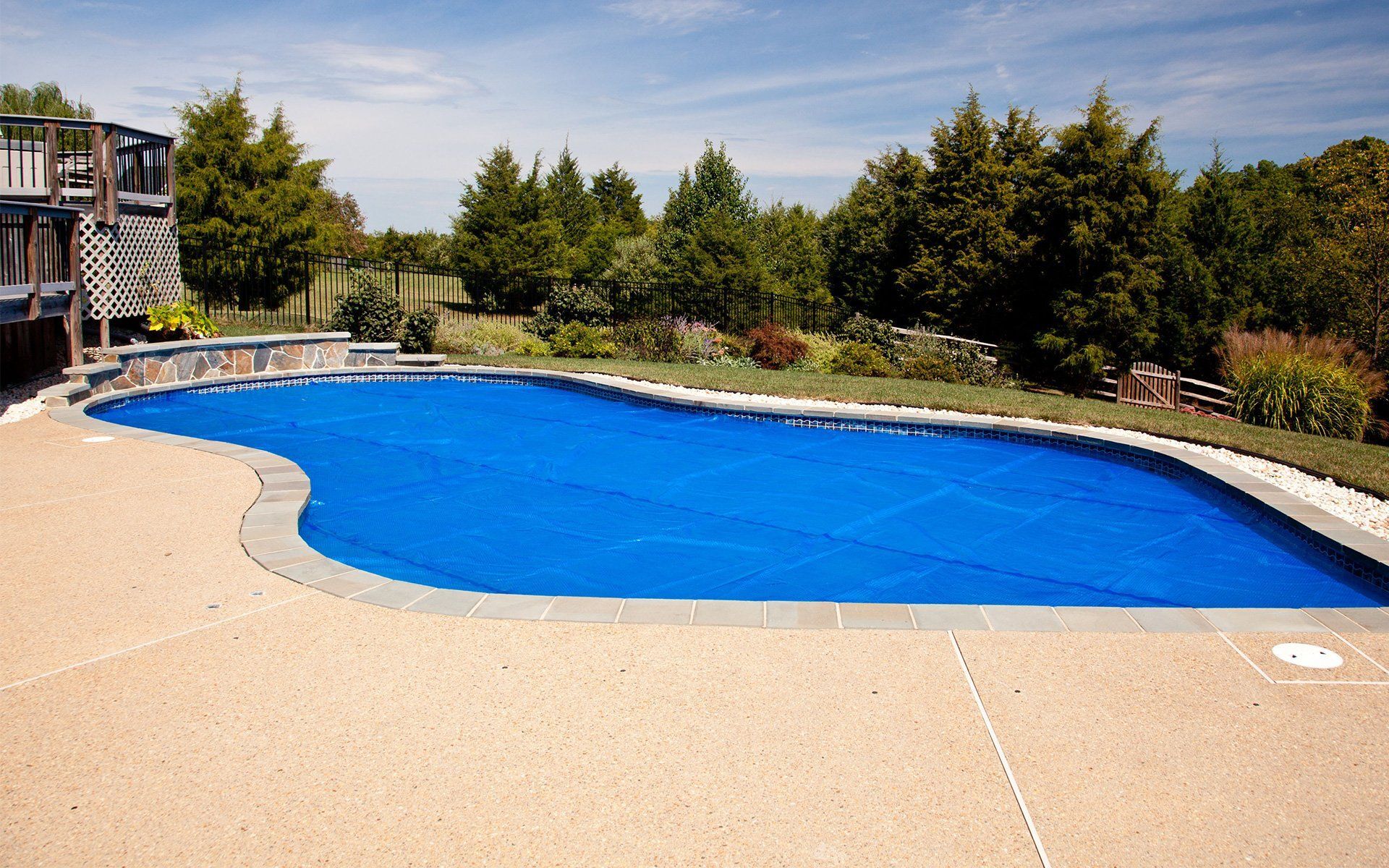
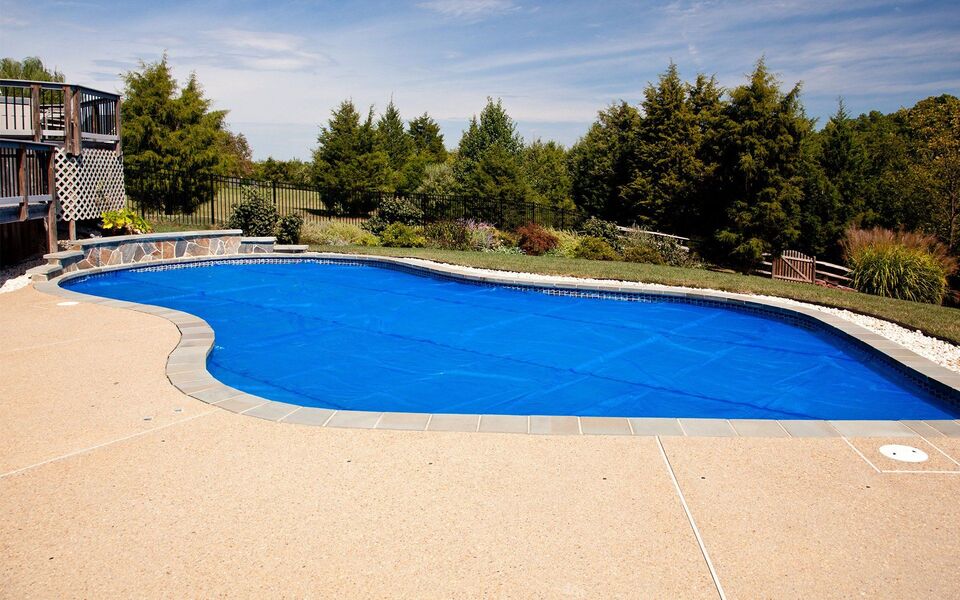
Settled decks around pools lift in fine increments, closing gaps at the coping without stressing the shell. Water drains off the deck again instead of pooling on it.
Controlled, monitored lifts
The honest exception: interior slab settlement inside your house can sometimes be lifted the same way, but if the soil under the home has failed, lifting alone treats the symptom. That call belongs to a foundation leveling diagnosis, and we’ll tell you which side of the line your slab is on.
What does concrete lifting cost in Waco?
Lifting runs a fraction of replacement, because you’re buying foam and a few hours of crew time instead of demolition, haul-off, forms, new concrete, and a week of curing. Small jobs like a sunken patio corner often cost a few hundred dollars to around $1,500.
The estimate scales with:
- Slab area and weight. A sidewalk square and a two-car driveway are different lifts.
- How far it has dropped. Deeper settlement means more material to fill the void.
- Why it sank. If water keeps washing out the base, drainage belongs in the plan or the slab sinks again.
- Access. Backyard pool decks take more hose than curbside walks.
Compare that with tearing out and repouring, and lifting usually wins by a wide margin, on price, on speed, and on keeping a slab that matches the rest of your concrete.
When is lifting the wrong answer?
When the soil under the slab is still moving. Foam fills a void and floats the concrete, but it can’t stop expansive clay from opening a new void next season. Lifting over active soil is rented level, not owned level.
So before we drill the first port, we ask why the slab sank. Washed-out base and one-time settlement lift beautifully. Seasonal clay movement points to StableSoil treatment first, and structural settlement under the house belongs to pier repair.
When lifting is right, we’ll say so and be done by dinner. When it isn’t, we’d rather lose the small job than sell you a repair with an expiration date.
Foam lifting, mudjacking, or replacement: how do they stack up?
Three ways to deal with sunken concrete, from the modern lift to the sledgehammer. The differences show up in weight, holes, and years.
| Polyurethane lifting | Mudjacking | Tear-out & replace | |
|---|---|---|---|
| How it works | Expanding foam through small ports | Pumped slurry through larger holes | Demolish, haul, re-form, repour |
| Added weight on soil | Minimal | Heavy; can re-settle soft ground | Same as before, on disturbed base |
| Timeline | Hours; use it the same day | A day, plus cure time | Days of work, weeks of curing |
| Finish | Your existing slab, level again | Your slab, larger patched holes | New concrete that won’t match the old |
| Relative cost | $ | $ | $$$$ |
Mudjacking had its era. Lightweight foam took its job for a reason: less weight on the soil that already failed once, smaller holes in the slab you’re saving.
How does a lifting job go, hour by hour?
The whole thing usually fits between breakfast and the school run.
Measure the sag
We map how far each section has dropped, probe for voids, and figure out why the ground gave, because the “why” decides whether lifting is the right tool.
Drill the ports
Small holes, placed where the engineering of the lift wants them, not where it’s convenient. This is the entire footprint of the job.
Inject & float
Foam expands under the slab in controlled shots while we watch the level in real time. The concrete rises millimeters at a time until it meets grade.
Seal & hand back
Ports are patched to match, joints can be sealed against future washout, and the slab is ready for feet and tires the same day.
What the free estimate includes: measurements of the settled sections, a void check, the reason the slab sank in plain English, and a written price. If lifting isn’t the right fix, the estimate says that too.

Small jobs, same standards
A sidewalk lift will never be the biggest ticket at The Foundation Doctor, and Ronnie Wiethorn treats that as the point: it’s the job most companies rush, and the one where careful measurement shows the most.
- Every lift monitored against measured grade, not eyeballed
- One of six repair methods in-house, so lifting is a choice, not a default
- Around 20 years of Central Texas concrete behind the judgment call
- Locally owned in Waco; your cul-de-sac is our service area, not a route stop
What customers say about their lifts
Where we lift concrete
Patios to pool decks across Waco, Temple, Killeen, Bryan, College Station, McGregor, and surrounding Central Texas. Bryan & College Station line: (254) 863-8800.
Concrete lifting questions
How much cheaper is lifting concrete than replacing it?
Lifting a slab typically costs a fraction of tearing it out and repouring, and you skip demolition, haul-off, and weeks of cure time. Estimates are free, so you can compare real numbers for your slab.
How long does concrete lifting take?
Usually less than a day. The polyurethane cures in minutes, so you can walk on the surface the same afternoon.
Is concrete lifting permanent?
The polyurethane itself is inert and permanent; it will not shrink or wash out. What matters is why the slab sank. If the soil below is still moving, we may recommend pairing the lift with drainage or soil stabilization, and we will tell you that before we quote the job.
Can you lift a pool deck without damaging it?
Yes. The lift happens in controlled fractions of an inch through small ports, which is gentler than mechanical lifting, and it works on decks, coping, and many pool shells.
What about a settled slab inside my house?
Interior structural settlement is a different diagnosis: that is foundation leveling, and it may call for piers, structural lifting, or soil treatment. Start at our foundation leveling page and we will steer you right.
Why did my concrete sink in the first place?
One of three reasons: rainwater washed out the base under an edge, fill under the slab was never compacted properly, or Central Texas clay shrank away in drought. The estimate names which one, because it decides whether lifting alone is the cure.
Is the foam safe for soil and landscaping?
Once cured, the polyurethane is stable and inert, and it stays where it was injected. Lawns and beds above the work are undisturbed except for the small ports in the concrete itself.
Can heavy slabs like driveways be lifted?
Yes. The foam expands with enough force to float driveways, patios, and pool decks, and its light weight means the soil below carries almost no new load, unlike old-style mudjacking slurry.