
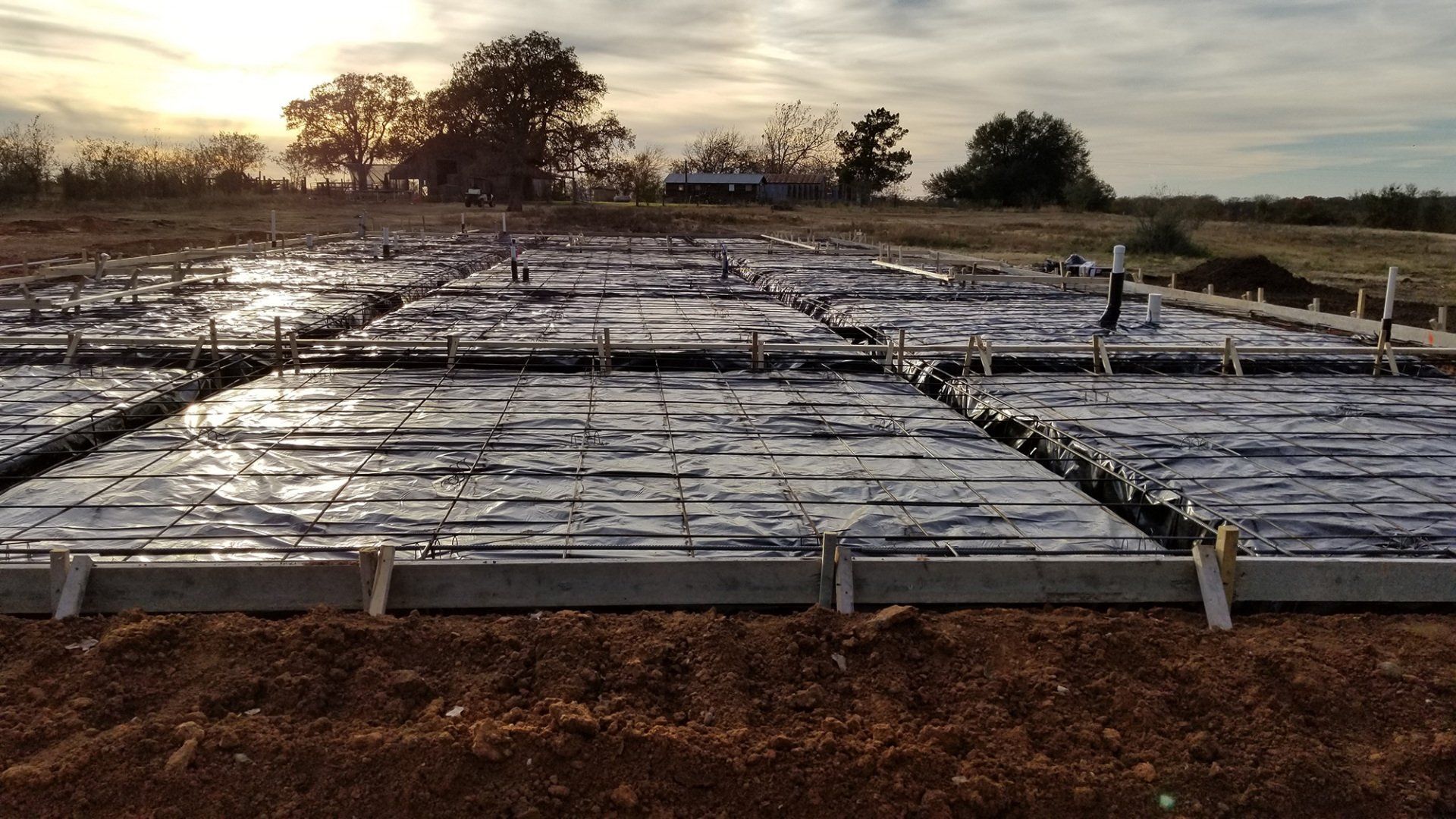
Site Prep & Building Pads in Waco, TX
Most foundation failures were decided before the concrete truck ever arrived. We build pads engineered for Central Texas clay, by the company that repairs the pads that weren’t.
- Pads Built to the Soil Report
- StableSoil Pre-Treatment Available
- In-House Engineering
What is site preparation?
Site preparation is everything that happens to a lot before a foundation is poured: clearing and cutting the pad, compacting fill in controlled lifts, conditioning the clay’s moisture so it doesn’t shift later, setting elevations that drain, and treating the subgrade so the slab above it stays put. On expansive Central Texas clay, the pad is not dirt work, it’s the first structural decision of the whole build, and the one that’s nearly impossible to fix cheaply after the house is standing on it.

Why do new foundations fail on Central Texas lots?
New foundations fail here for reasons poured into the ground before the slab: fill dumped and compacted in one thick lift, clay left dry on one side of the pad and wet on the other, and elevations that let the first storm pond against fresh concrete.
We know because repairing those decisions is most of our week. The recurring autopsy findings:
- Loose fill settling under one corner within the first two years
- Moisture imbalance baked into the pad from day one
- Pads cut flat with nowhere for water to go but the slab edge
- Untreated clay doing exactly what untreated clay does
Every one of those is cheap to prevent during dirt work and expensive to correct under a finished house. That price gap is this page’s whole argument.
What goes into a pad built for clay?
Four layers of prevention, each one a line item a future foundation repair will never appear on.
Pad & Lot Preparation
Compaction in proper lifts, moisture conditioning for the clay, and elevations that hold, built to the soil report rather than to habit.
The foundation under the foundation
StableSoil Pre-Treatment
Injected across the subgrade on 3-to-4-foot centers before the pour, protecting post-tension and rebar slabs from differential movement for the life of the house.
Drainage Planning
Swales, slopes, and discharge routes designed while the machines are already on site, so water leaves the pad from the first storm onward.
| Layer | When it happens | What it prevents |
|---|---|---|
| Engineered pad | During dirt work | Fill settlement, moisture imbalance |
| StableSoil pre-treatment | One day, pre-pour | Seasonal clay movement under the slab |
| Drainage design | With the pad cut | Ponding at the slab edge, ever |
| Foundation engineering | Before and during | Guesswork in all of the above |
What does proper site prep cost?
Less than the callback. Pre-pour StableSoil is the cheapest foundation repair a builder will ever buy, because it prevents the repair entirely, and a pad compacted in honest lifts costs a machine-day more than one that wasn’t.
Scope is priced per lot, driven by:
- Cut and fill volume. What the lot’s existing grade demands.
- The soil report. Compaction spec, moisture conditioning, and treatment depth follow from it.
- Pad size and slab type. Post-tension and rebar slabs each get what their design assumes.
- Add-ons that pay for themselves. StableSoil and drainage priced in one mobilization while the dirt is open.
Builders get a written scope and firm price per pad, and a partner who answers the phone in year five, because we’re local and we’ll still be here.
Why hire the repair company for dirt work?
Because every pad we build is informed by hundreds of repairs on pads someone else built. We’ve seen where they went loose, where they held water, and where the clay was never conditioned, from underneath, years later, with the homeowner watching.
That feedback loop doesn’t exist at a dirt contractor. It’s why our compaction happens in lifts nobody will ever check twice, why drainage gets designed with the pad instead of after the flood, and why our in-house professional engineer can review the whole package before a yard of fill moves.
The cheapest foundation repair is the one the site never needs. Builders and owner-builders across Central Texas use us to buy exactly that.
A prepared pad vs. a typical pad: where do they diverge?
Both look identical on pour day. The difference surfaces in year three, in the door frames.
| Engineered pad | Typical pad | |
|---|---|---|
| Compaction | Controlled lifts to the soil report | Whatever the schedule allowed |
| Clay moisture | Conditioned evenly, optionally treated | Whatever the weather left |
| Water on day one | Drains off the pad by design | Finds its own way, often to the slab edge |
| Year-three outcome | A quiet foundation | Roughly our average repair customer |
| Lifetime cost | Pad + a small premium | Pad + a foundation repair |
How does a site prep project run?
From soil report to pour-ready pad, sequenced so nothing waits on us.
Read the lot & the report
We walk the site, review the soil report, and scope cut, fill, drainage, and any treatment the clay calls for, in writing, with a firm price.
Cut, fill & compact
The pad is built in controlled lifts with moisture conditioning as specified, elevations set to drain from the first day.
Treat the subgrade
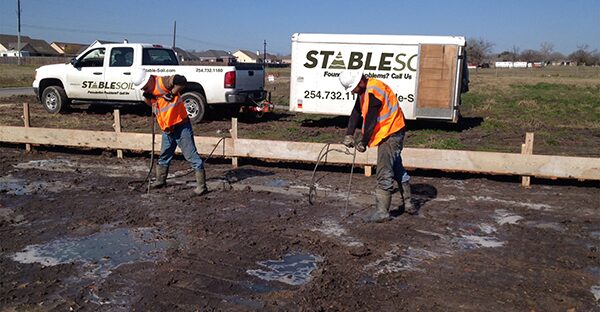
Where the plan includes StableSoil, injection runs on 3-to-4-foot centers across the pad, one day, without holding up your schedule.
Hand off pour-ready
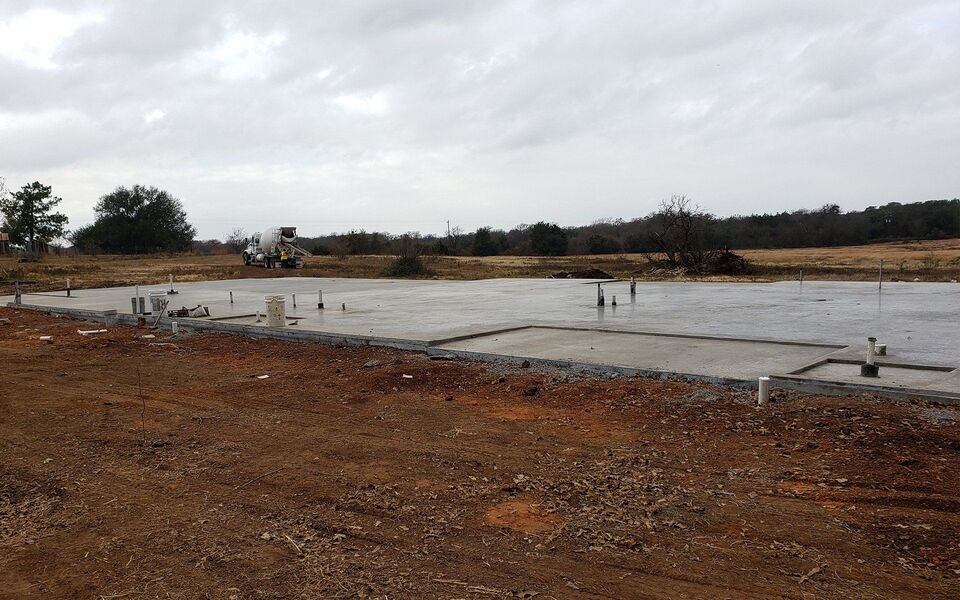
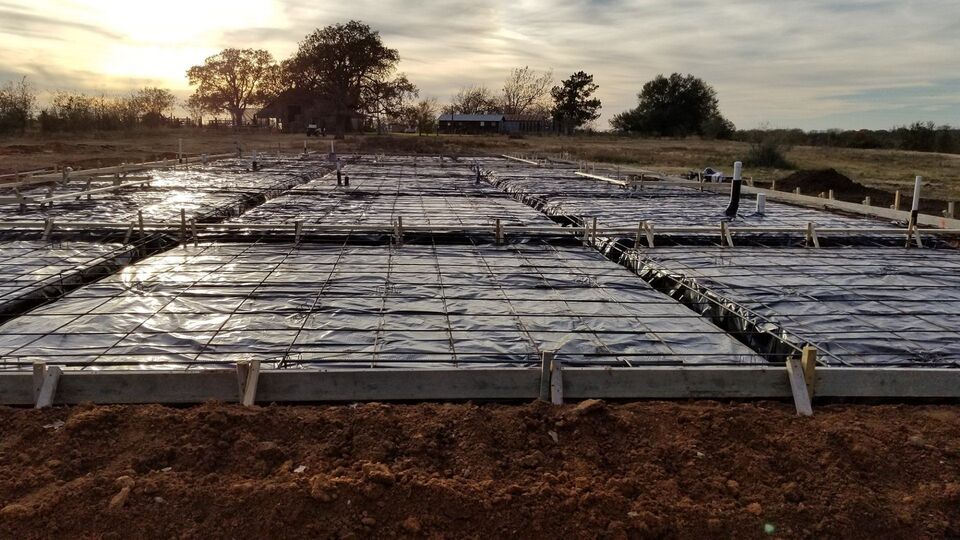
Final grades verified, drainage paths confirmed, documentation delivered for your file. The concrete crew inherits a pad with no excuses in it.
For builders: we sequence around your trades, price per pad in writing, and our in-house PE can review the pad design and slab package together, one call, one accountability.
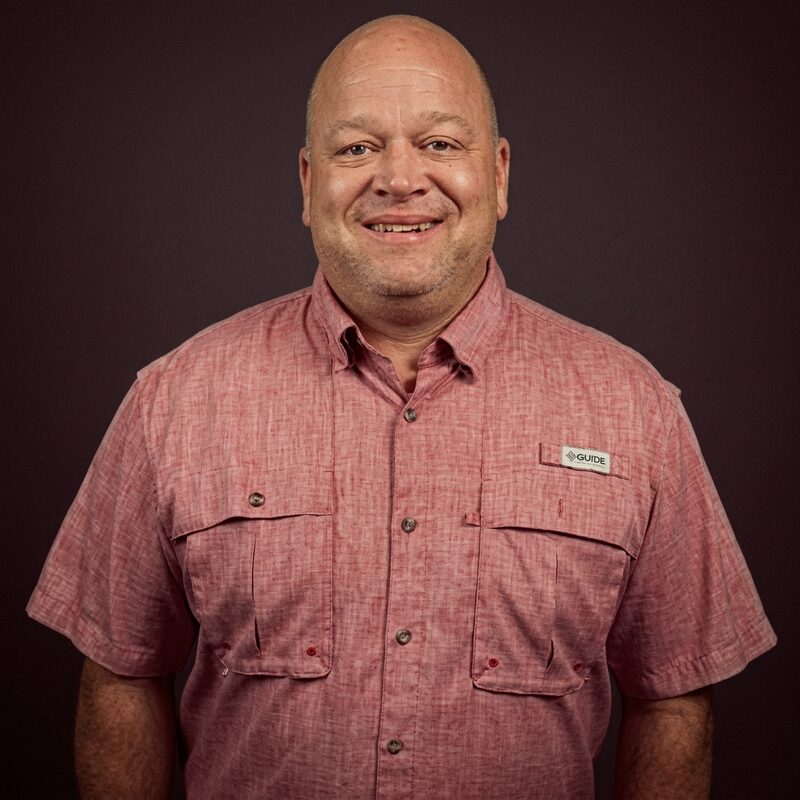
An unusual resume for dirt work, on purpose
Ronnie Wiethorn came to site prep backward: architecture degree, home inspector, then two decades fixing foundations on pads built wrong. The prevention stack on this page is the repair log, inverted.
- Pads specified from repair evidence, not habit
- In-house professional engineering across pad and slab design
- StableSoil and drainage integrated while the dirt is open
- Locally owned in Waco, still answering the phone when the house is five
What builders and owners say about the work
Where we prep sites
Lots and pads across Waco, Temple, Killeen, Bryan, College Station, McGregor, and surrounding Central Texas. Bryan & College Station line: (979) 803-1133.
Site prep questions
Why hire a foundation repair company for site prep?
Because we spend every day fixing what bad site prep causes. We know exactly how Central Texas clay punishes a pad that was built loose, wet, or unlevel, and we build yours so nobody ever meets us on the repair side.
What does your site prep include?
Pad layout and construction, compaction in lifts with moisture conditioning for clay, StableSoil injection into the subgrade where the soil report calls for it, and drainage planning so water leaves the pad from day one. In-house foundation design is available through our professional engineer.
Do you work with builders?
Yes. Builders and owner-builders across Waco, Killeen, Bryan, and College Station use us for pads and lot prep, and most StableSoil pre-treatment jobs finish in a single day so your pour schedule holds.
How much does site prep cost?
It follows lot size, dirt work required, and whether the subgrade needs treatment. Quotes are free and written, and the engineer review can save you far more than it costs by matching the pad design to the actual soil.
How long does site prep take?
It's scoped per lot, but the additions we're known for are fast: StableSoil pre-treatment covers a pad in about a day on 3-to-4-foot centers, and drainage shaping happens while the machines are already there. We sequence around your trades so the pad never holds the schedule.
Do I need a soil report before you build the pad?
It's the document we build to: compaction spec, moisture conditioning, and treatment depth all follow from it. If you don't have one yet, we'll tell you what to order and read it with you when it arrives.
Does StableSoil treatment delay the pour?
No. Injection runs one day across the pad and doesn't disturb the prepared surface, which is why builders schedule it between final grade and the concrete crew.
Do you prep pads for post-tension slabs?
Yes. Post-tension and rebar slabs both get pads built to their design assumptions, and pre-pour StableSoil protects either type from the differential movement that cracks their untreated neighbors.