
Slab Foundation Repair in Waco, TX
The right pier for your soil, not the only pier we sell. Three pressed-pier systems, matched to your home after a real diagnosis, backed by warranties that transfer when you sell.
- Free Estimates
- Lifetime Transferable Warranties
- In-House Professional Engineer
What is slab foundation repair?
Slab foundation repair restores a settled concrete slab to level by transferring the home’s weight from unstable surface clay to firmer soil or bedrock below, usually on piers pressed deep into the ground at the affected walls. In Central Texas, slab damage is almost always caused by expansive Blackland Prairie clay that swells in wet winters and shrinks through dry summers, so a lasting repair has to reach past that active layer, or the movement simply continues.
Why do slab foundations crack in Central Texas?
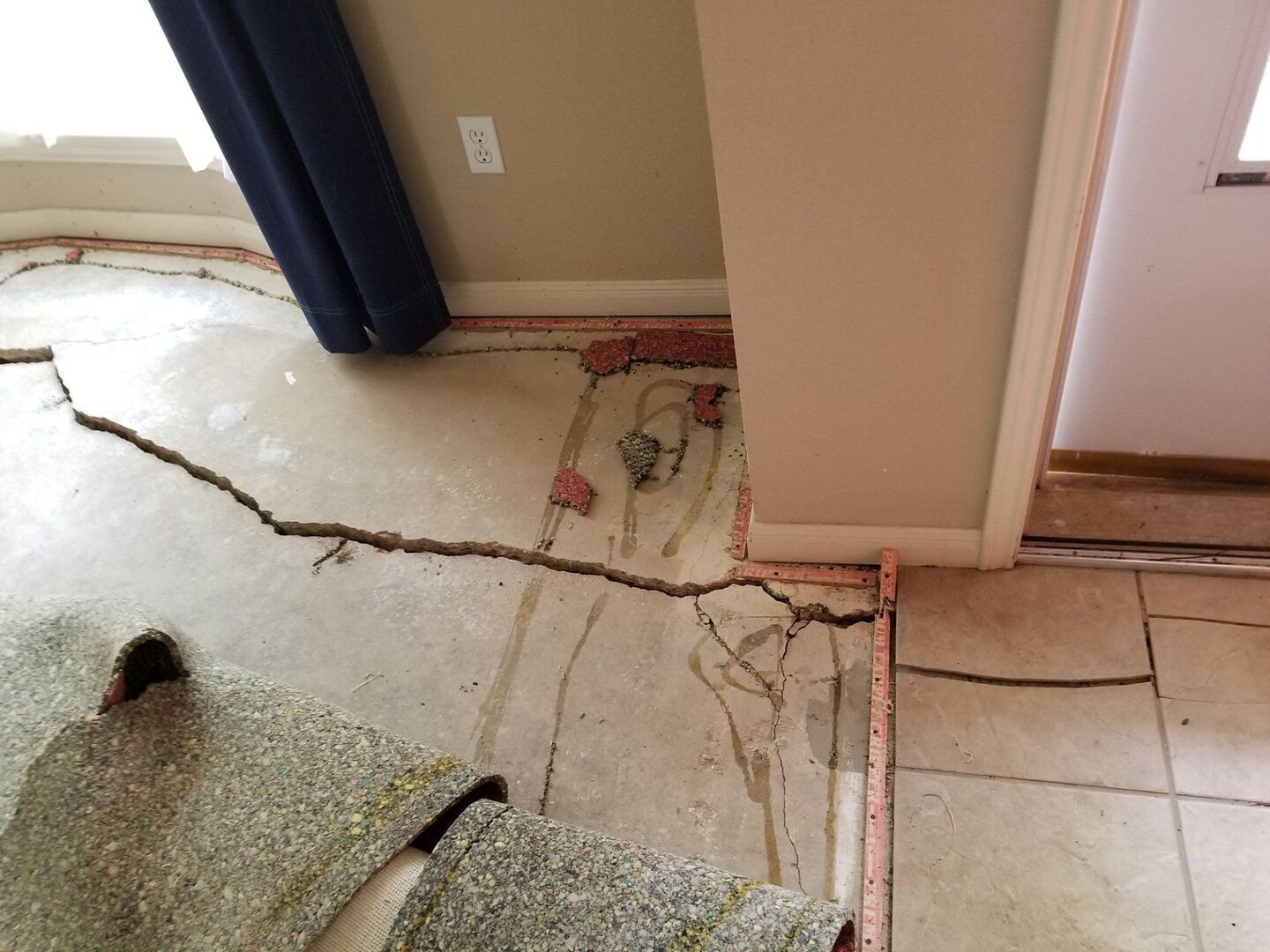
Slab foundations crack here because they sit on clay that changes volume with the weather: it swells when it rains and shrinks in drought, lifting and dropping parts of the slab while other parts stay put.
Season after season, that cycle bends the foundation. The house usually shows it before the slab does:
- Stair-step cracks climbing the brick or limestone outside
- Doors and windows that stick or stop latching
- Drywall splitting above door frames and window corners
- A floor that slopes toward one room
Piers fix a settled slab by carrying its weight past the unstable clay to firmer ground. Which pier depends on your soil, and that’s a diagnosis, not a sales pitch. Not sure you need piers at all? Start with the education page.
Which pier systems go under a slab home?
We install three pressed-pier systems under slab foundations: single-pressed concrete, double-pressed concrete, and steel. Most companies sell the one pier they stock; we press the pier your soil actually calls for.
Single-Pressed Concrete Pier
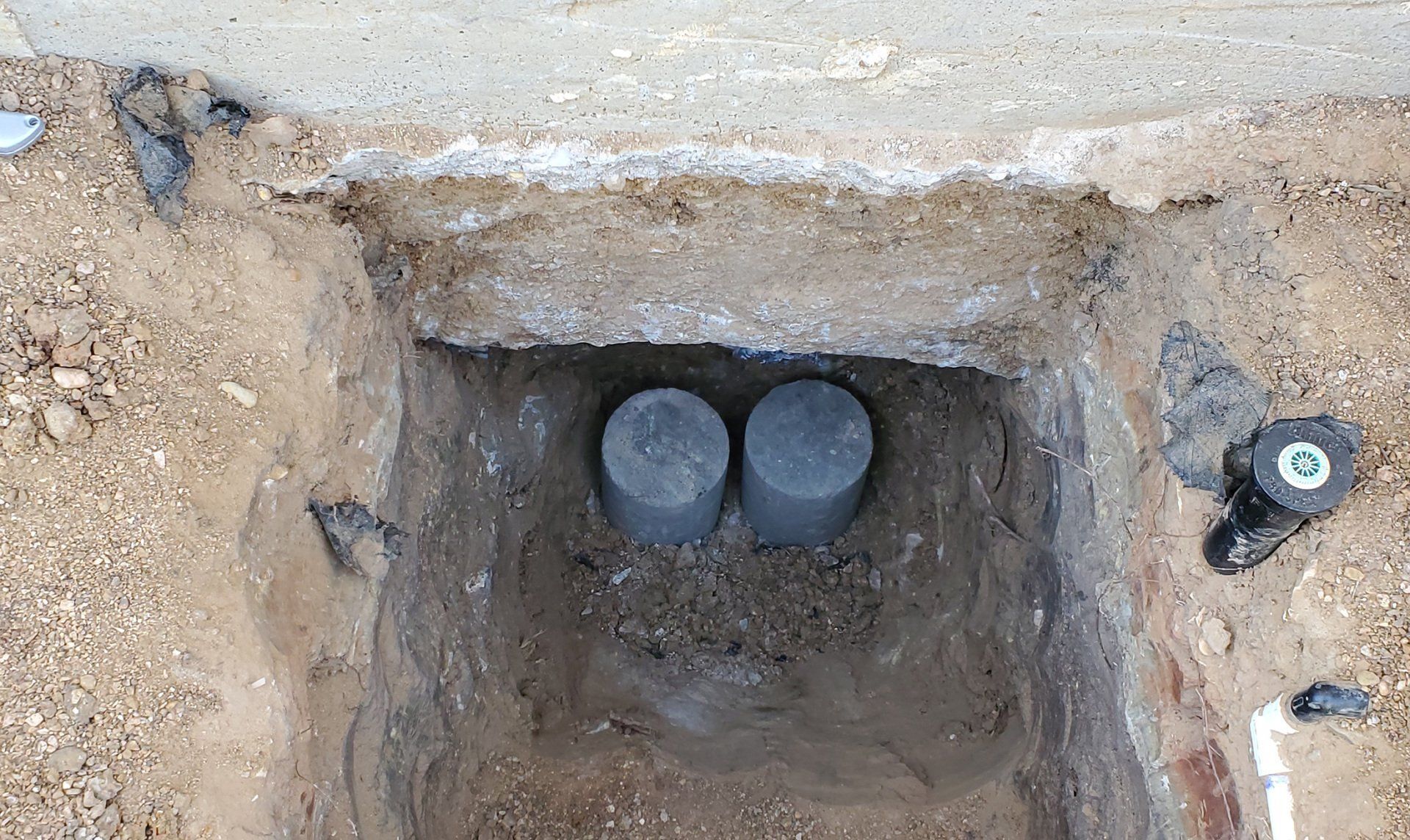
The budget-friendly workhorse. High-strength concrete cylinders pressed into the soil one atop another, supported by friction along their full depth. The right call where bedrock sits shallow.
Double-Pressed Concrete Pier
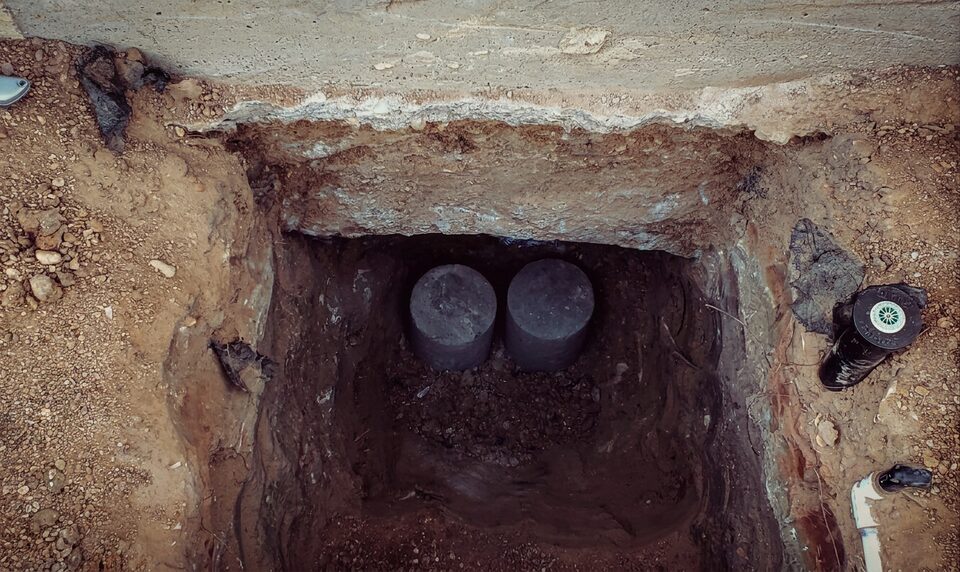
Two piers pressed side by side, doubling the surface friction and the support under your foundation. Built for the parts of Central Texas where bedrock is extremely deep.
Steel-Pressed Pier
The deepest-reaching option we install. Steel piers press to depths concrete can’t reach, and when they seat on bedrock within 20 to 30 feet, nothing is more stable.
| Pier system | Cost tier | Best for | Warranty |
|---|---|---|---|
| Single-Pressed | $ | Shallow bedrock; friction support | Gold · lifetime service · transferable |
| Double-Pressed | $$ | Extremely deep bedrock; maximum friction | Platinum · lifetime · transferable |
| Steel-Pressed | $$$ | Bedrock within 20–30 ft; deepest reach | Platinum · lifetime · transferable |
How much does slab foundation repair cost in Waco?
Across Texas, moderate slab foundation repairs typically run $3,300 to $8,500, and pressed concrete piers average $450 to $900 per pier. Your exact price depends on how many piers your home needs and which system your soil calls for.
Four things move the number:
- Pier count. Piers install every 6 to 8 feet along the affected walls, so more movement means more piers.
- Pier system. Single-pressed concrete costs the least, steel reaches deepest and costs the most.
- How far the slab has moved. Settlement compounds season over season, so earlier repairs cost less.
- Access. Perimeter work costs less than repairs that need interior access through floors.
Every estimate is free, written, and specific to your home, and because we work with six repair methods instead of one, the honest answer is sometimes cheaper than the one you feared. If concrete lifting or soil treatment will fix it for less, that’s what we’ll prescribe.
Which pier is right for my house?
Honest answer: nobody knows until they measure. Bedrock depth, soil type, how far the slab has settled, and what your budget can carry all change the prescription.
What we can promise is the diagnosis itself. Every repair plan at The Foundation Doctor can be designed and verified by our in-house professional engineer.
And if the slab has sunk but the soil under it is sound, polyurethane lifting may raise it for a fraction of the cost of interior piers. When that’s true, that’s what we’ll tell you.
Piers, concrete lifting, or replacement: what does a settled slab need?
Most settled slabs in Central Texas need piers only where the soil has failed. Some need nothing more than polyurethane lifting, and very few ever need replacement. Here’s how the three options compare.
| Pressed piers | Concrete lifting | Slab replacement | |
|---|---|---|---|
| What it fixes | Structural settlement where soil has failed | Sunken slab sections over sound soil | Slabs damaged beyond repair (rare) |
| Typical timeline | 1–3 days | Under a day | Weeks, plus moving out |
| Disruption | Exterior excavation, cleaned & backfilled | Small injection ports | Demolition of floors and finishes |
| Relative cost | $$ | $ | $$$$ |
| Warranty | Lifetime, transferable | Covered by plan | Varies by builder |
The diagnosis decides which column your house is in. Structural settlement across a whole side of the home usually means piers. A low spot in the middle of a room over stable soil often means concrete lifting. If the slab itself is uneven across the house, see foundation leveling.
How does a slab repair go, start to finish?
Four steps, and most homes never need step five. You can stay in the house through all of it.
Inspect & measure
We take elevation readings across the slab, walk the whole property including drainage and trees, and find what’s actually moving and why. Ronnie runs the inspections himself.
Plan & price
You get a written repair plan with the pier system we recommend, the reason we recommend it, and a firm price. No pressure, no expiring discounts.
Press the piers
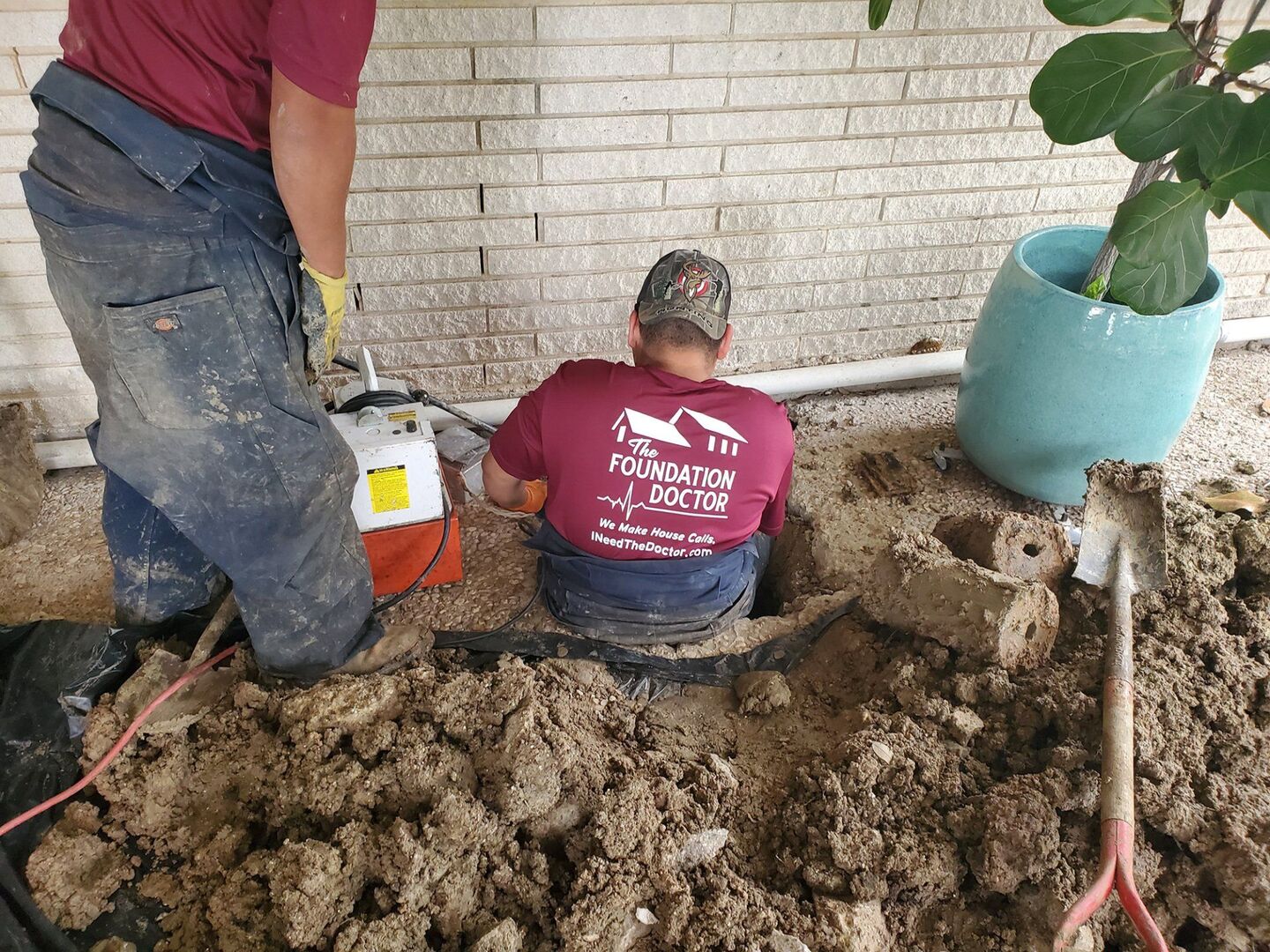
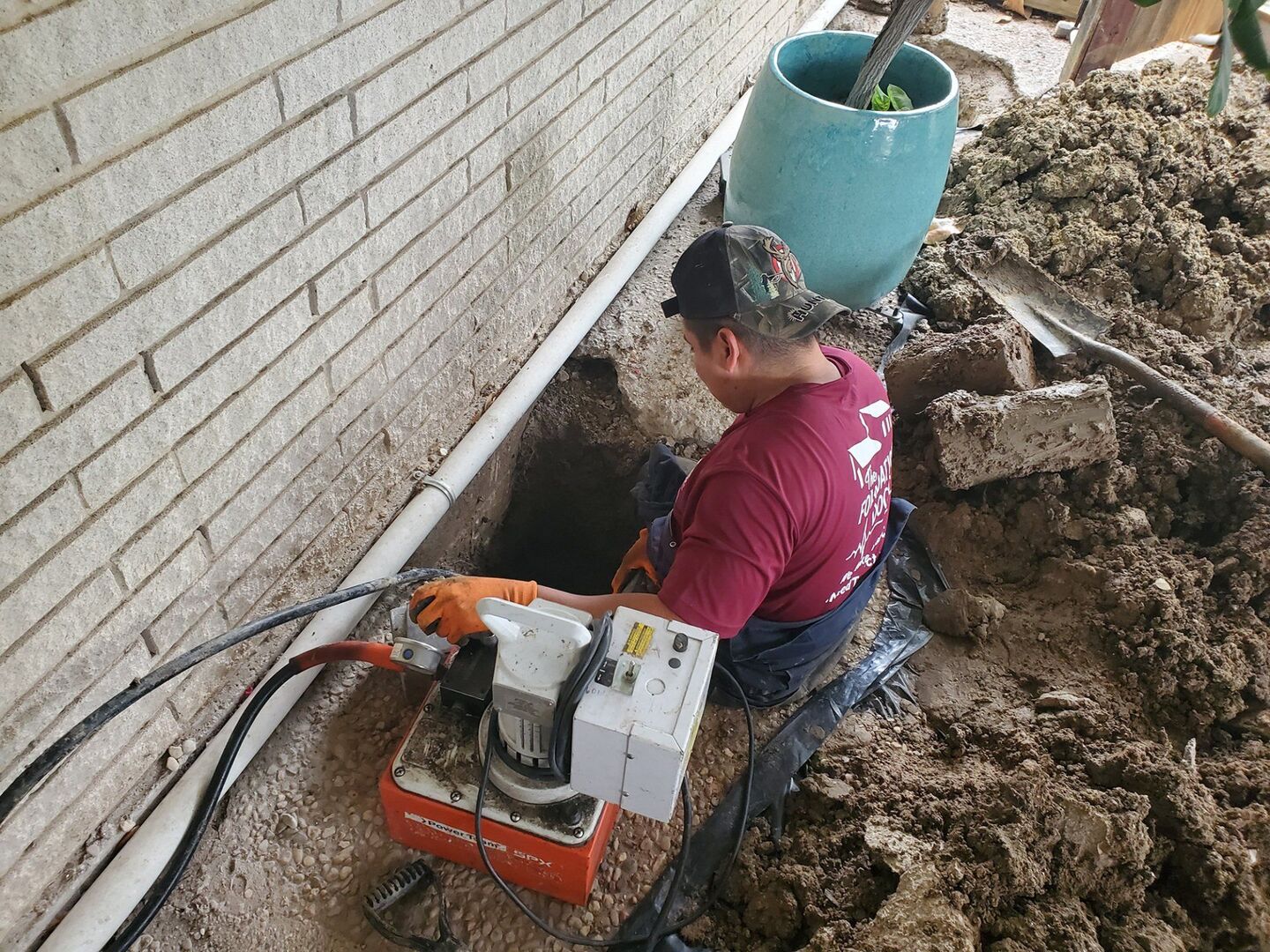
Most residential jobs take one to three days. We excavate at each pier location, press to refusal or bedrock, and lift the slab back toward level.
Level, verify & warranty
Final elevation readings confirm the lift, the site is cleaned and backfilled, and your transferable warranty is registered to the house, not to you.
What the free estimate includes: elevation readings across the slab, a full property walk, a plain-English explanation of what’s happening, and a written plan with a firm price. An engineer’s report is available on request.
Who stands behind the repair
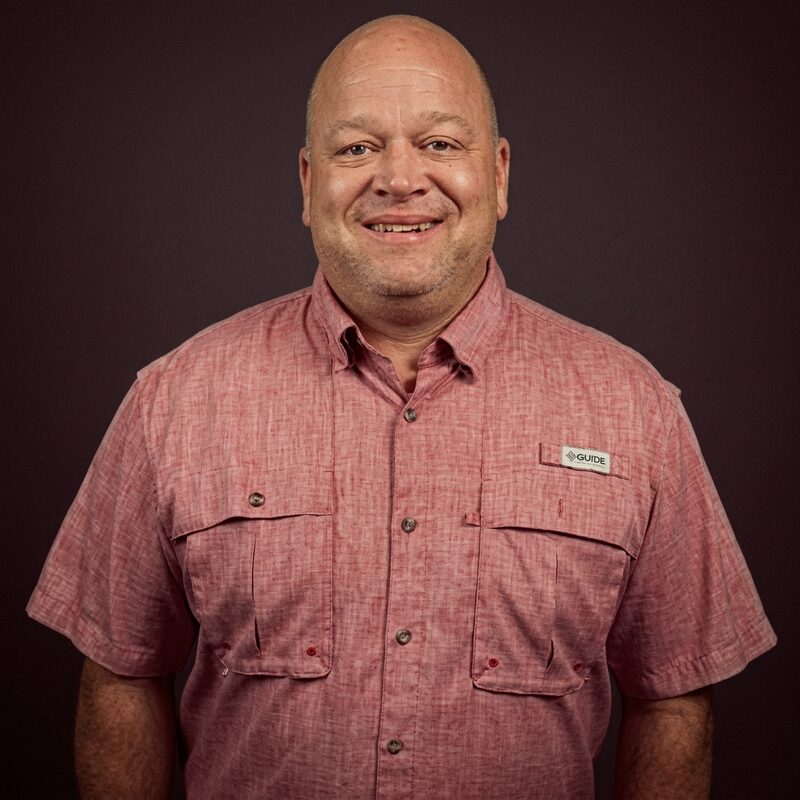
Ronnie Wiethorn has spent about 20 years in Central Texas foundations: a Texas A&M architecture degree, years as a home inspector, then a partnership at a pier-only repair company before building The Foundation Doctor around a different promise. Diagnose first. Prescribe second.
- Repair plans designed and verified by a professional engineer on our own staff
- Locally owned in Waco; Ronnie grew up in McGregor and works where he lives
- About 15 employees with 70+ years of combined foundation experience
- Every warranty registered to the house and transferable to the next owner
Reviews from Waco homeowners
Where we repair slab foundations
We make house calls across the Blackland Prairie: Waco, Temple, Killeen, Bryan, College Station, McGregor, and the surrounding Central Texas communities. Bryan & College Station line: (979) 803-1133.
Slab foundation repair questions
How much does slab foundation repair cost in Waco?
It depends on how many piers your home needs and which system your soil calls for. Single-pressed concrete piers cost the least, steel piers the most. Every estimate is free and comes as a written price, and because we offer six repair methods, we sometimes find your slab needs concrete lifting or soil treatment instead of piers at all.
How long does pier installation take?
Most residential slab repairs finish in one to three days. We excavate at each pier location, press the piers, lift the slab back to level, and backfill before we leave.
Will you have to tear up my floors?
Perimeter piers are installed from outside your home. If the interior of the slab has settled, polyurethane lifting can often raise it through small ports instead of jackhammering floors for interior piers. We will tell you which your house needs before any work starts.
Which pier system is best?
There is no best pier, only the best pier for your soil. Shallow bedrock favors single-pressed concrete. Very deep bedrock favors double-pressed piers. Bedrock within 20 to 30 feet favors steel. That's why we diagnose before we recommend.
Is the warranty really transferable when I sell?
Yes. Single-pressed piers carry a gold-level lifetime service warranty and double-pressed and steel piers carry platinum-level lifetime warranties, and all of them transfer to the next owner of the home.
Does homeowners insurance cover slab foundation repair?
Usually not. Standard Texas policies exclude damage from soil movement and settling, which cause most slab problems here. Insurance typically covers foundation damage only from sudden events such as a plumbing leak under the slab. If a leak caused your settling, we document the cause during diagnosis so you can pursue the claim.
How do I know it is settlement and not normal concrete shrinkage?
Hairline surface cracks that appeared in the first year or two and never widened are usually shrinkage, and they are cosmetic. Cracks that widen over time, run through brick in a stair-step pattern, or come with sticking doors and sloping floors point to settlement. Elevation readings settle the question, and the inspection is free.
Do piers stop the foundation from moving again?
A piered section is carried by soil or bedrock below the active clay layer, so it no longer rises and falls with the seasons. Unpiered sections can still move, which is why we map the whole slab before recommending where piers go, and why the warranty covers free adjustments if a repaired area ever needs fine-tuning.