
Yard Drainage Solutions in Waco, TX
Standing water on the lawn isn’t just a mosquito farm. It’s tomorrow’s foundation problem parked fifty feet from your slab. We get surface water moving the day it lands.
- Grading, Basins & Channels
- Lawns Restored After the Work
- Free Estimates
What is yard drainage?
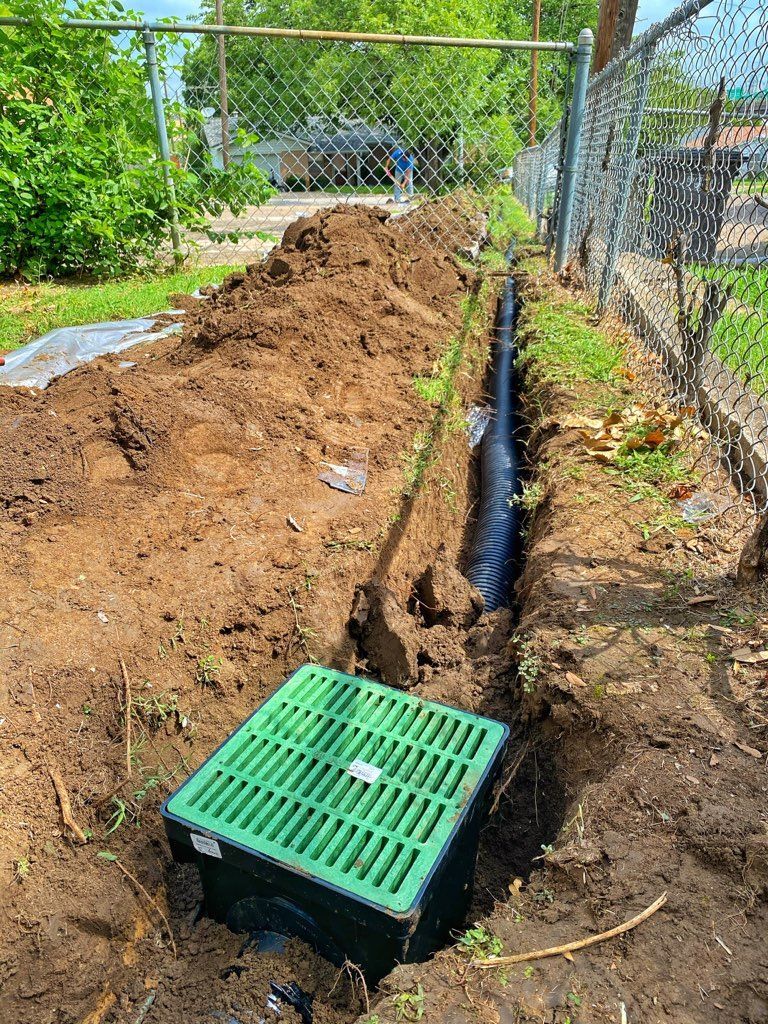
Yard drainage is the set of surface-level fixes that keep rainwater from standing on a property: regrading slopes so water flows away from the house, catch basins and channel drains that swallow runoff where it collects, and downspout routing that carries roof water to a safe exit instead of dumping it at the foundation. Unlike a french drain, which handles water inside the soil, yard drainage manages water you can see, and on Central Texas clay, water you can see standing is water the ground is slowly drinking.
Why does standing water threaten the house?
Every puddle on Central Texas clay is a slow injection. The longer water stands, the deeper it soaks, and soaked clay swells, presses, and shifts whatever sits on it, including the foundation at the end of the slope.
The yard usually confesses before the house does:
- Sheets of water that outlast the storm by days
- A lawn you can’t mow until Thursday after a Sunday rain
- Mulch and topsoil migrating downhill every storm
- Downspouts carving little canyons that point at the slab
Mosquitoes and dead grass are the visible bill. The invisible one is what saturated soil does to a foundation, and that one compounds.
How do we get surface water moving?
Four tools, usually in combination. The plan reads your slopes first, then places only what the water requires.
Regrading & Swales
Reshaping the ground so it falls away from the house and guides runoff along gentle swales to an exit. The fix that works with no moving parts, forever.
Often the whole answer
Catch Basins & Channels
Where water insists on gathering, a grated basin or channel drain swallows it and solid pipe carries it away underground.
For stubborn low spots and hardscape
Downspout Routing
A roof concentrates thousands of gallons per storm at four corners. Buried extensions carry that load past the beds and away from the slab.
The cheapest big win in drainage
| Fix | Cost tier | Best for | Maintenance |
|---|---|---|---|
| Regrading & swales | $–$$ | Slopes aimed the wrong way | None |
| Basins & channels | $$ | Collection points, patios, driveways | Clear the grates seasonally |
| Downspout routing | $ | Roof water dumping at the slab | Occasional flush |
What does yard drainage cost in Waco?
Surface drainage is usually the least expensive corner of the drainage world, because the water is visible, the digging is shallow, and gravity does the hauling. Downspout routing alone often solves more than owners expect for the least money on the menu.
What the estimate weighs:
- Area and slope. How much yard needs reshaping, and how far the water must travel.
- Collection hardware. Each basin and channel run is an itemized line, not a package.
- The exit. Where runoff can legally and safely discharge on your lot.
- What’s underneath. If the soil itself is waterlogged, a french drain may join the plan.
The walk and the written plan are free, and the plan starts with the cheapest fix that actually works, not the biggest one we could sell.
Is the problem your yard, or your neighbor’s water?
Water doesn’t respect fence lines. Half the flooded lawns we walk are downstream of a neighbor’s slope, a street’s crown, or a whole block’s runoff funneling through one low lot, and no amount of regrading fixes water that keeps arriving.
So the free walk maps where your water originates, not just where it parks. Fixes that intercept incoming flow at the property line beat fixes that fight it at the back door, and the plan is designed in that order.
While we’re reading slopes, we read the foundation too. If standing water has already started moving the slab, you’ll want to know the symptoms now rather than at closing time.
DIY fixes or a designed system: when does each make sense?
Some yard drainage is honest weekend work. Some just looks like it. The difference is usually elevation you can’t see by eye.
| Weekend DIY | Designed system | |
|---|---|---|
| Good for | Downspout extensions, clearing swales | Regrading, basins, multi-point collection |
| The risk | Moving the puddle, not removing it | Costs more up front |
| Relies on | Eyeballed slope | Measured fall, checked with instruments |
| When it fails | Water returns somewhere worse | Rarely, and it’s warrantied work |
Our honest line: extend your downspouts yourself, we’ll cheer. When the fix involves reading two inches of fall across sixty feet of lawn, that’s instrument work, and guessing wrong costs more than measuring.
How does a yard drainage project go?
Read the water, shape the ground, catch what’s left, and prove it works.
Walk the storm
We map where water lands, where it flows, where it parks, and where it could exit, including flow arriving from beyond your property line.
Plan the cheapest cure first
The written plan sequences fixes from least invasive to most: downspouts, then grading, then hardware, each with its own price line.
Shape, set & connect
Grades get cut to measured fall, basins and channels go in where the plan calls for them, and everything pipes to the discharge.
Hose-test & restore
We simulate the storm before the sky does, watch the exits run, and put sod and beds back where we found them.
What the free estimate includes: a full surface-water walk, slope readings, an itemized fix-by-fix plan, and a firm price. If a $150 downspout extension solves it, that’s the whole estimate.

The lawn is the early warning system
Ronnie Wiethorn reads yards the way a doctor reads charts: the puddle by the patio is a symptom, and two decades of foundation work taught him exactly which symptoms turn into structural bills when ignored.
- Surface plans built to protect the slab first, the sod second
- Cheapest-cure-first sequencing on every written plan
- Slopes measured with instruments, verifiable by our in-house PE
- Locally owned in Waco; we mow on this clay too
What homeowners say once the yard drains
Where we fix yard drainage
Soggy lawns across Waco, Temple, Killeen, Bryan, College Station, McGregor, and surrounding Central Texas. Bryan & College Station line: (254) 863-8800.
Yard drainage questions
How do I fix standing water in my yard?
Start with where the water comes from and where it should go. Sometimes the fix is regrading a low spot or routing downspouts away from the house. Sometimes it takes catch basins or a channel drain feeding a discharge line. The free assessment maps your water and matches the fix to the cause.
Is a soggy yard really a foundation problem?
In Central Texas, yes. Water that stands near the house soaks into expansive clay, swells it, and starts the movement cycle that cracks foundations. Drying out the yard is foundation protection, not landscaping.
How fast can you fix yard drainage?
Most yard drainage projects finish in one to three days depending on the length of the runs and how much grading the lot needs.
Yard drainage or a french drain: which do I need?
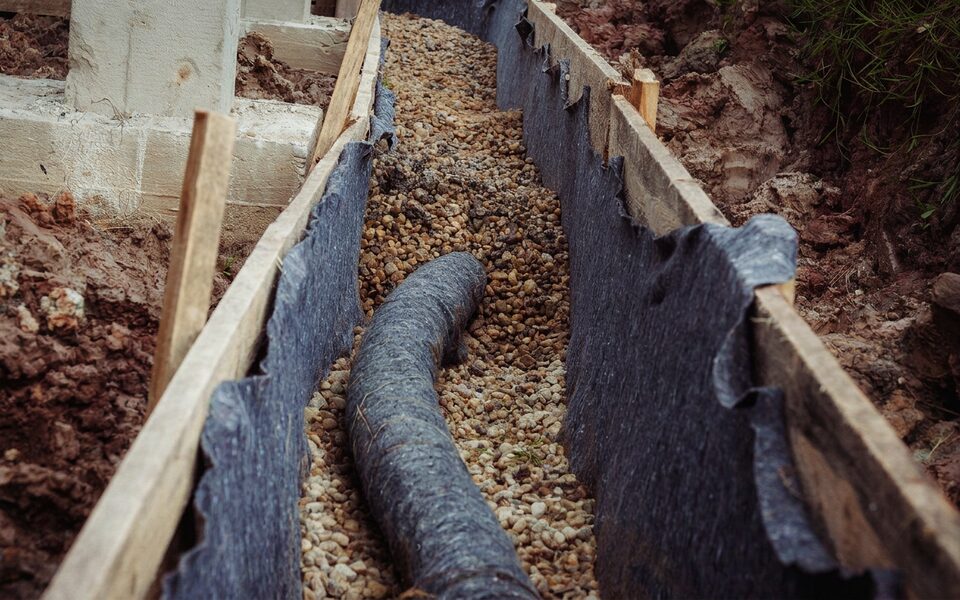
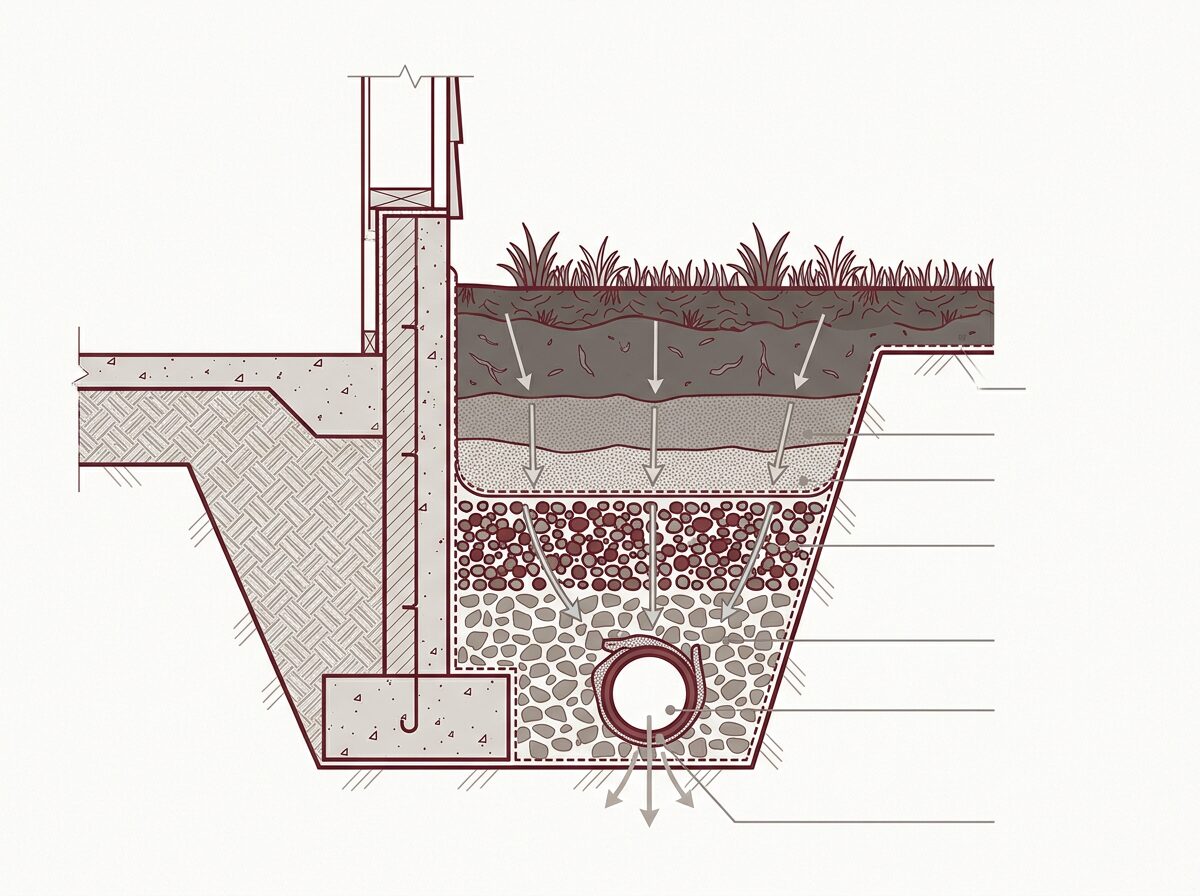
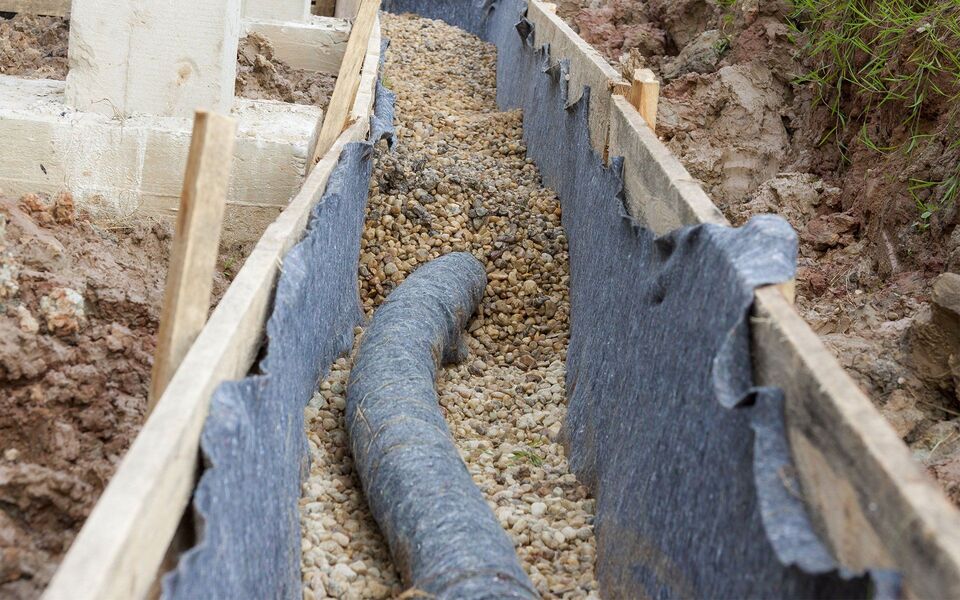
Yard drainage handles surface water: rain that pools on the lawn or sheets toward the house. A french drain handles groundwater moving through the soil. Wet grass points to the first; a soggy strip that never dries points to the second. Many lots need a bit of both.
How much does yard drainage cost in Waco?
Surface drainage is usually the least expensive corner of drainage work. Downspout routing costs the least, regrading scales with area, and each basin or channel is an itemized line. The plan starts with the cheapest fix that actually works.
Why does my yard hold water for days after rain?
Central Texas clay drains slowly from below, so once the surface ponds, evaporation is doing most of the work. If the slope doesn't carry water off before it soaks in, the yard becomes a slow-release reservoir pressed against your foundation.
Can standing water really damage a foundation?
Yes, at a distance. Water standing anywhere upslope of the house keeps feeding moisture toward the clay under the slab, and uneven moisture is exactly what makes expansive soil move foundations.
Will the drainage work ruin my landscaping?
The work is surface-level and so is the restoration: sod goes back, beds are rebuilt, and grades are blended into the lawn. A few weeks of watering and the yard forgets we were there. The water doesn't.