
Sump Pump Installation in Waco, TX
When gravity has nowhere to take the water, a pump gives it the exit. Basins and sump pumps for low corners, wet crawl spaces, and lots too flat to drain themselves.
- Sized to Your Water, Not a Package
- Tested Under Real Load
- Free Estimates
What is a sump pump?
A sump pump is an electric pump that sits in a buried basin at the lowest collection point of a property, automatically pumping accumulated water up and out to a safe discharge whenever the basin fills. It’s the answer for water that gravity cannot move on its own: a crawl space below the surrounding grade, a low corner of a flat lot, or the collection end of a french drain with nowhere downhill to go. When the water table rises or a storm stalls overhead, the pump is what stands between that water and your foundation.
When does a property need a sump pump?
A property needs a sump pump when its lowest wet spot sits below every gravity exit. No pipe can run uphill on its own; if the water collects lower than anywhere it could drain to, machinery has to finish what slope started.
The situations that call for one around Central Texas:
- A crawl space that collects water below the yard’s grade
- A flat lot where drains have no downhill to discharge to
- A low corner that becomes a pond in every serious storm
- A french drain that needs an exit its route can’t reach by gravity
If your water does have a downhill path, you likely don’t need a pump at all, and we’ll tell you so. Gravity is cheaper than electricity and never trips a breaker.
What kind of sump system fits your situation?
Three configurations cover nearly every low spot we meet. The right one depends on where the water collects and what’s already in place.
New Basin & Pump
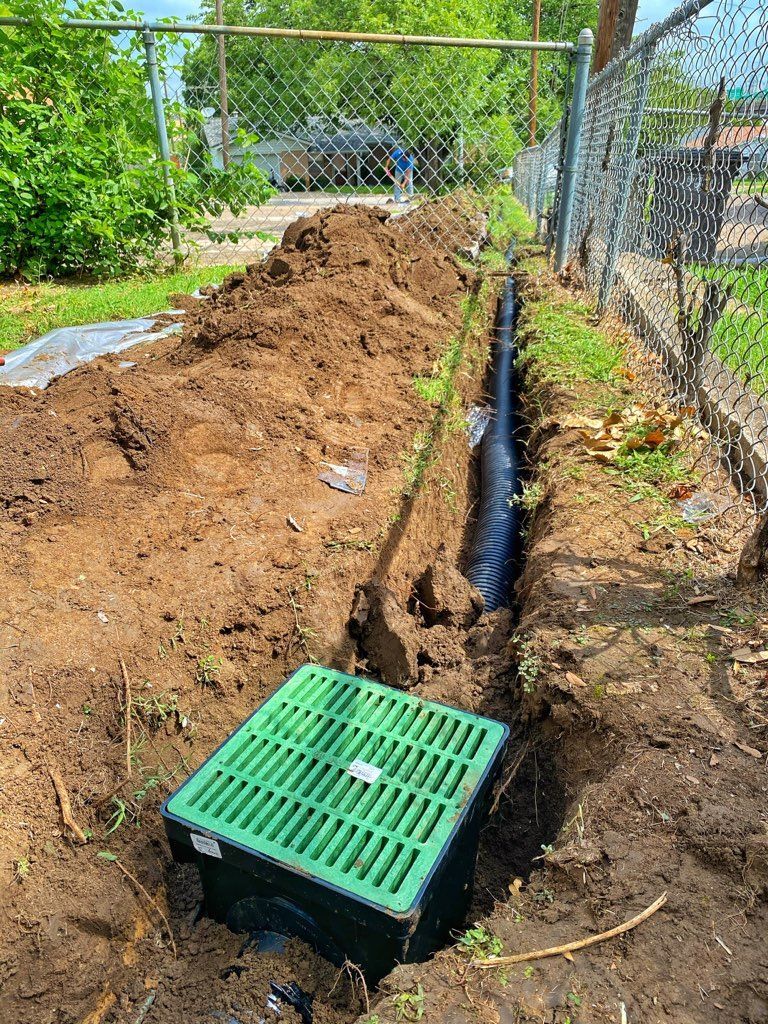
A collection basin set at the true low point, a pump sized to the water volume it will actually see, and a discharge line routed to a safe exit.
Complete system, built to the site
Pump Replacement
An existing basin with a tired or undersized pump gets a properly rated unit, fresh check valve, and a discharge inspection while we’re in there.
Uses the basin you already own
Drain-Fed Sump
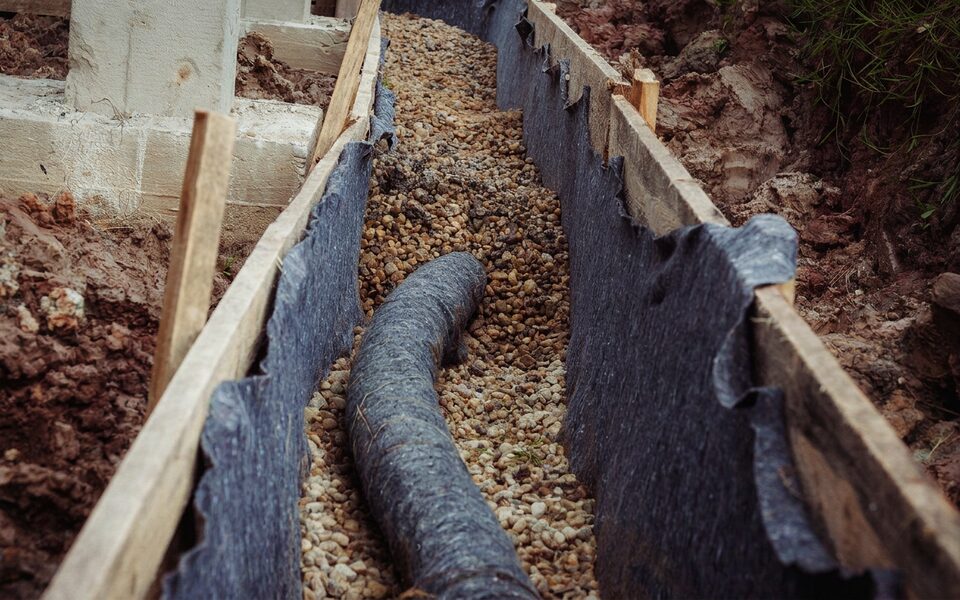
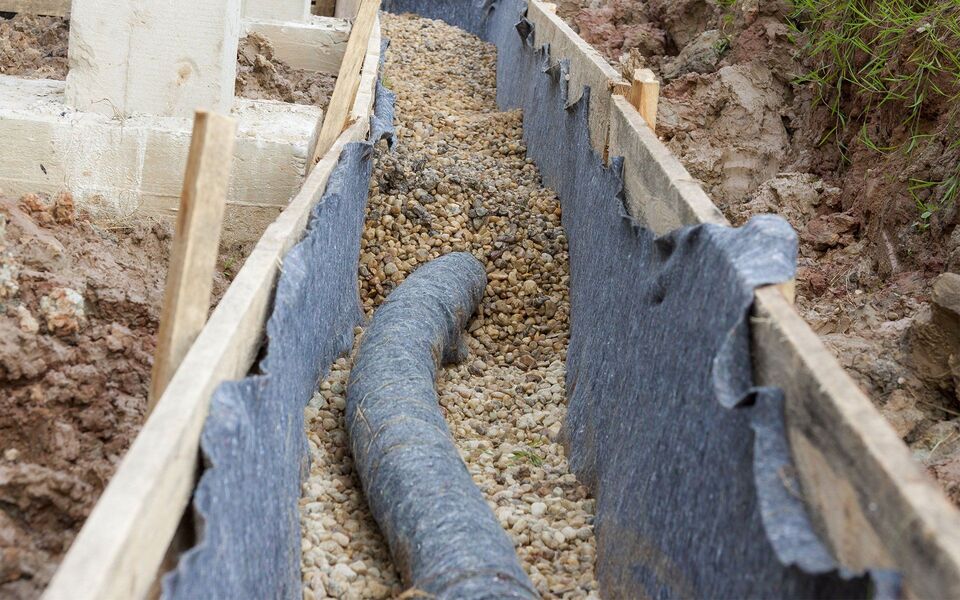
The collection end of a french drain or crawl-space drain feeds the basin, giving buried water a mechanical exit where gravity gave up.
| Configuration | Cost tier | Best for | Timeline |
|---|---|---|---|
| New basin & pump | $$ | Low spots with no existing collection | 1–2 days |
| Pump replacement | $ | Failed or undersized existing pump | Often same day |
| Drain-fed sump | $$$ | Flat lots pairing drain and pump | With the drain build |
What does sump pump installation cost in Waco?
The basin and the digging usually cost more than the pump itself, so the price follows the excavation: how deep the collection point must sit, how far the discharge line runs, and whether the system stands alone or ties into a larger drainage build.
What sets the number:
- Basin depth and access. A crawl-space basin is a different dig than an open yard corner.
- Pump sizing. Rated to your real storm volume, not the cheapest unit on the shelf.
- Discharge routing. Where the water exits, and how far the line runs to get there.
- Power. A safe circuit for the pump, coordinated with your electrician where needed.
The estimate is free and itemized, and if gravity can do the job without a pump, the estimate will be for the cheaper system instead.
Is a pump the fix, or the last resort?
A sump pump is the right answer only after gravity has been given every chance. Pumps have moving parts, power cords, and service lives; slope has none of those. So our first job on site is hunting for a gravity exit you may not know you have.
When the pump truly is the answer, sizing is everything. An undersized pump drowns in the first spring storm; an oversized one short-cycles itself to an early grave. We measure the catchment, estimate the storm load, and size the system to the water it will actually meet.
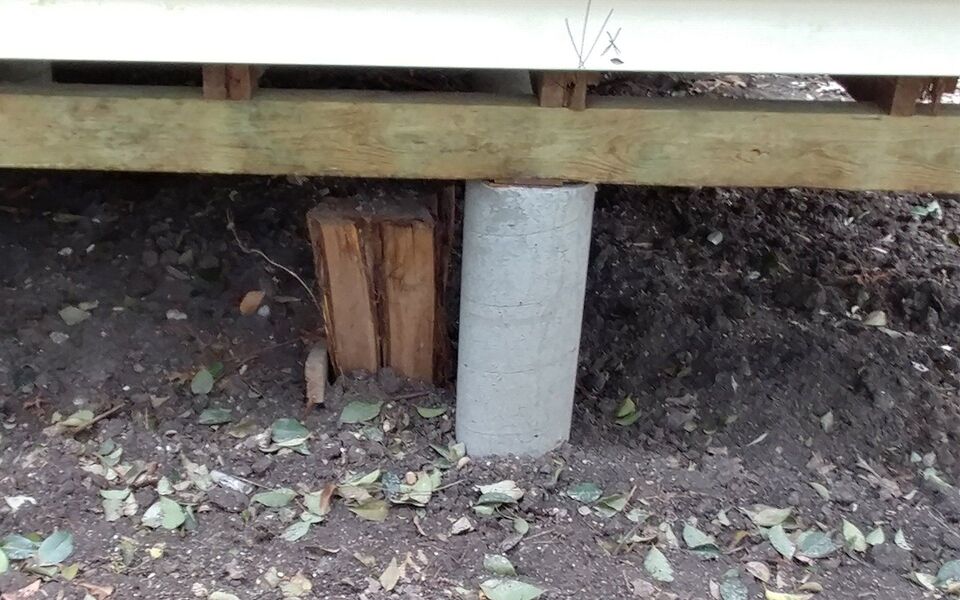
And because a wet crawl space is often what brings us out, the same visit checks what the moisture has been doing to your piers and beams while it stood there.
Sump pump, french drain, or regrading: which exit does your water need?
All three move water away from the foundation. They differ in what powers the trip.
| Sump pump | French drain | Regrading | |
|---|---|---|---|
| Powered by | Electricity | Gravity below grade | Gravity on the surface |
| Right when | Water sits below every exit | Groundwater has a downhill path | Surface water flows the wrong way |
| Moving parts | Pump, float, check valve | None | None |
| Relative cost | $$ | $$ | $–$$ |
| Details at | This page | French drains | Yard drainage |
The quiet rule: gravity first, machinery second. When both are needed, the pairing is designed as one system so the pump only handles what gravity truly can’t.
How does a sump pump installation go?
From finding the true low point to watching the pump earn its keep, most systems go in within a day or two.
Find the real low point
Water tells the truth about elevation. We locate where it actually collects, hunt for any gravity exit first, and confirm the pump is genuinely needed.
Size the system
Basin volume, pump rating, and discharge route are matched to your measured catchment and put in a written plan with a firm price.
Set the basin & plumb the exit
The basin goes in at depth, the pump seats with a check valve, and the discharge line runs to an exit that won’t send the water back.
Load-test it
We fill the basin and watch a full pump cycle, discharge to daylight, before we call it done. You see it work before we leave.
What the free estimate includes: a low-point survey, a gravity-first check for cheaper exits, pump sizing math, and a written price. If you don’t need a pump, the estimate says so.

Machinery in service of the foundation
Ronnie Wiethorn thinks of a sump pump the way a doctor thinks of a pacemaker: brilliant when needed, oversold when not. That’s why every pump quote here starts with an honest search for the gravity exit that would make it unnecessary.
- Gravity-first policy: pumps only where slope truly fails
- Systems sized to measured water, verifiable by our in-house PE
- Installed by the crew that repairs what standing water destroys
- Locally owned in Waco, one call when a storm tests the system
What homeowners say once the low spot stays dry
Where we install sump pumps
Low spots across Waco, Temple, Killeen, Bryan, College Station, McGregor, and surrounding Central Texas. Bryan & College Station line: (254) 863-8800.
Sump pump questions
Does a Central Texas home really need a sump pump?
Most do not, and we will say so when that is the answer. A pump earns its keep when water collects in a low spot with no gravity path out: a crawl space that holds water after storms, or a basin at the bottom of a slope. If grading or a french drain can move the water for free, that is what we will recommend.
What does sump pump installation include?
A properly sized pump for the water volume, a sealed basin set at the right depth, discharge routing that sends water well away from the foundation, and a check valve so the pump does not fight its own column. We walk you through maintenance before we leave.
What happens when the power goes out?
The pump stops, which matters most in storm season. Where the risk justifies it we quote a battery backup, and where it does not we say that too.
How long does installation take?
Most installations finish in a day, including the basin, discharge line, and cleanup.
How long does a sump pump last?
Years, but not forever; it's a mechanical device with a duty cycle. Correct sizing is the biggest lifespan factor, since an undersized pump runs constantly and an oversized one short-cycles. Replacement in an existing basin is quick and inexpensive compared to the original install.
Where does the sump discharge go?
To a point where the water can't circle back: daylight downslope, a drainage route, or a legal curb exit, always away from the foundation. Discharge routing is part of the written plan, not an afterthought.
Can a sump pump keep up with a Texas storm?
A properly sized one can, which is why we measure your catchment area and size the pump to the storm load it will actually see rather than installing whatever is on the shelf.
Should I add a battery backup?
Worth discussing at the estimate if your outages tend to arrive with the same storms that fill the basin. We'll give you the honest trade-off for your situation rather than a blanket upsell.